CHOOSE YOUR CLINIC
Xanthelasma is a common skin problem that is encountered by many people. To prevent it, you need to be aware of the causes, symptoms, and treatment procedures.
Xanthelasma is a harmless, yellow growth that is seen on the corners of the eyelids. These are soft and painless bumps that are mainly caused by the deposition of cholesterol.
Xanthelasma must not be ignored because it is a common sign of a range of conditions, like diabetes, hyperlipidemia, and thyroid issues. This disease affects your appearance, thereby making you concerned. This article acts as a guide on xanthelasma for the patients while discussing the causes, treatments, and other aspects.
Xanthelasma on eyelids is a prevalent skin condition. Let’s find out the main characteristics of this disease.
| Aspect | Description |
| Colour and appearance | Yellow to pale orange patches |
| Texture | Flat or slightly raised |
| Location | Inner corners of the eyelids (medial canthus) |
| Pain | Painless |
| Growth | Slow |
Table 1: Common Characteristics of Xanthelasma
Xanthelasma refers to fat deposits that build up under the skin. Anyone can suffer from this condition. Here are the common xanthelasma causes.
Xanthelasma can occur because of lipid imbalance. Meanwhile, you can get this disease no matter whether you have a normal or a high cholesterol level. As per a study, around 50% of adult patients having this condition possess abnormal lipid levels. Often, people inherit high cholesterol levels, and that is a common cause of xanthelasma.
Diabetic patients might develop xanthelasma. The fundamental reason behind this is that people with diabetes experience changes in lipid metabolism. This results in cholesterol deposits, thereby causing the stated disease.
Does your diet consist of trans fats, saturated fats, or cholesterol? If yes, you are at risk of developing xanthelasma. Additionally, smoking and excessive alcohol consumption contribute to this risk.
The health of your liver is a common cause of xanthelasma. Liver conditions, like MASLD, MASH, AFLD, etc., affect fat metabolism while developing this disease.
Along with knowing the causes, you must understand the symptoms and risk factors of xanthelasma. Let’s find out.
Are you aware of the beginning stages of xanthelasma? If not, let’s understand the symptoms.
| Symptom | Description |
| Appearance | Soft, flat, or raised yellow patch |
| Symmetry | Might be seen on both eyes (bilaterally) |
| Texture | Soft to the touch |
| Location | Inner corners of the upper or lower eyelids |
Table 2: Symptoms of Xanthelasma
From abnormal lipid profile to high blood pressure, several risk factors are associated with xanthelasma. Let’s know them along with the impact level of impact.
| Risk Factor | Impact Level |
| Abnormal lipid profile | High |
| Diabetes | Moderate |
| Thyroid imbalance | Moderate |
| High blood pressure | Moderate to High |
| Smoking | Low to Moderate |
Table 3: Common Risk Factors of Xanthelasma and Specific Impact Levels
Before knowing the xanthelasma treatment procedures, you need to know how it is diagnosed. This skin condition is seen around your eyelids. This makes doctors consider visual examination to diagnose this disease, and there is no need for any specific test.
You need to go through particular blood tests once the disease is diagnosed. Like, the doctor performs a blood test to check cholesterol disorder. Also, you need to undergo tests, like thyroid function, blood sugar, and liver function.
Xanthelasma is painless, and you may want to remove it. Here, you need to adopt any medical treatment. Here are the top ones.
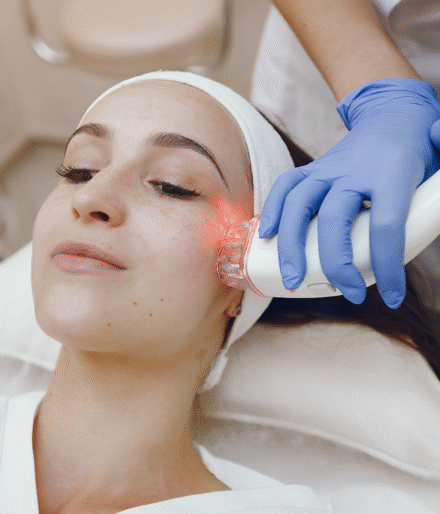
This is one of the key xanthelasma removal procedures that you can consider. In laser therapy, lasers like CO2 or Erbium are used to vaporize the cholesterol deposits on the eyelids. This is a common non-invasive option to remove the lesions.
What makes Cryotherapy different is its application to treat xanthelasma. This procedure results in freezing the lipid-filled cells by using liquid nitrogen. This treatment process works effectively in small patches. Well, you have to attend multiple sessions to avail this treatment.
Considering chemical peels is a common xanthelasma treatment procedure that you can consider. Especially with Trichloroacetic acid (TCA), this treatment technique dissolves fat deposits by depositing on the affected area. This results in removing xanthelasma.
Along with these treatments, managing lipid levels helps in treating xanthelasma. Hence, a lifestyle modification is important. Here are the top non-pharmacological treatments.
While you are aware of the treatment procedures, you must understand the recovery span. Let’s see.
To acquire the desired result from treating xanthelasma on eyelids, you need to follow the suggested aftercare tips. These include:
Although not hurting, xanthelasma is a skin condition that should not be ignored. The common causes are high cholesterol levels, poor diet, diabetes, etc. The main risk factors are high blood pressure, diabetes, thyroid imbalance, etc. You can rely on laser therapy, cryotherapy, and chemical peels while seeking xanthelasma treatment.
We offer different treatment options that can be considered to treat xanthelasma. Visit your nearest clinic and get a professional consultation. Ensure its removal and prevent your appearance from getting affected.
1. Can Xanthelasma Come Back?
In short, yes. No matter which treatment you seek, the chance of recurrence always remains. The valid reason behind this is that the scope for fat accumulation on the skin remains. The chance of coming back is higher if you are genetically prone to developing cholesterol buildups.
2. Can a Child Develop Xanthelasma?
Xanthelasma is rare in children. However, a child might get it. If present, there must be a genetic lipid disorder. You need to consult a doctor for further evaluation.
3. Are There Any Scars After Xanthelasma Removal?
A small scarring risk is common for every removal method. You need to rely on experienced specialists because they consider specific techniques to reduce it. This results in the perfect healing of the delicate eyelids.
4. Do I Need to Check My Cholesterol Level if I Have Xanthelasma?
Yes, you need to check your cholesterol level. This is because xanthelasma is related to high lipid levels in some people. Here, you need to have a lipid panel. This helps to manage any underlying risk factors.