CHOOSE YOUR CLINIC
You don’t need to live with the permanent look of raised scars.
Opt for Keloid removal and flattening, led by Clini Derma’s team of dermatologists and laser experts!
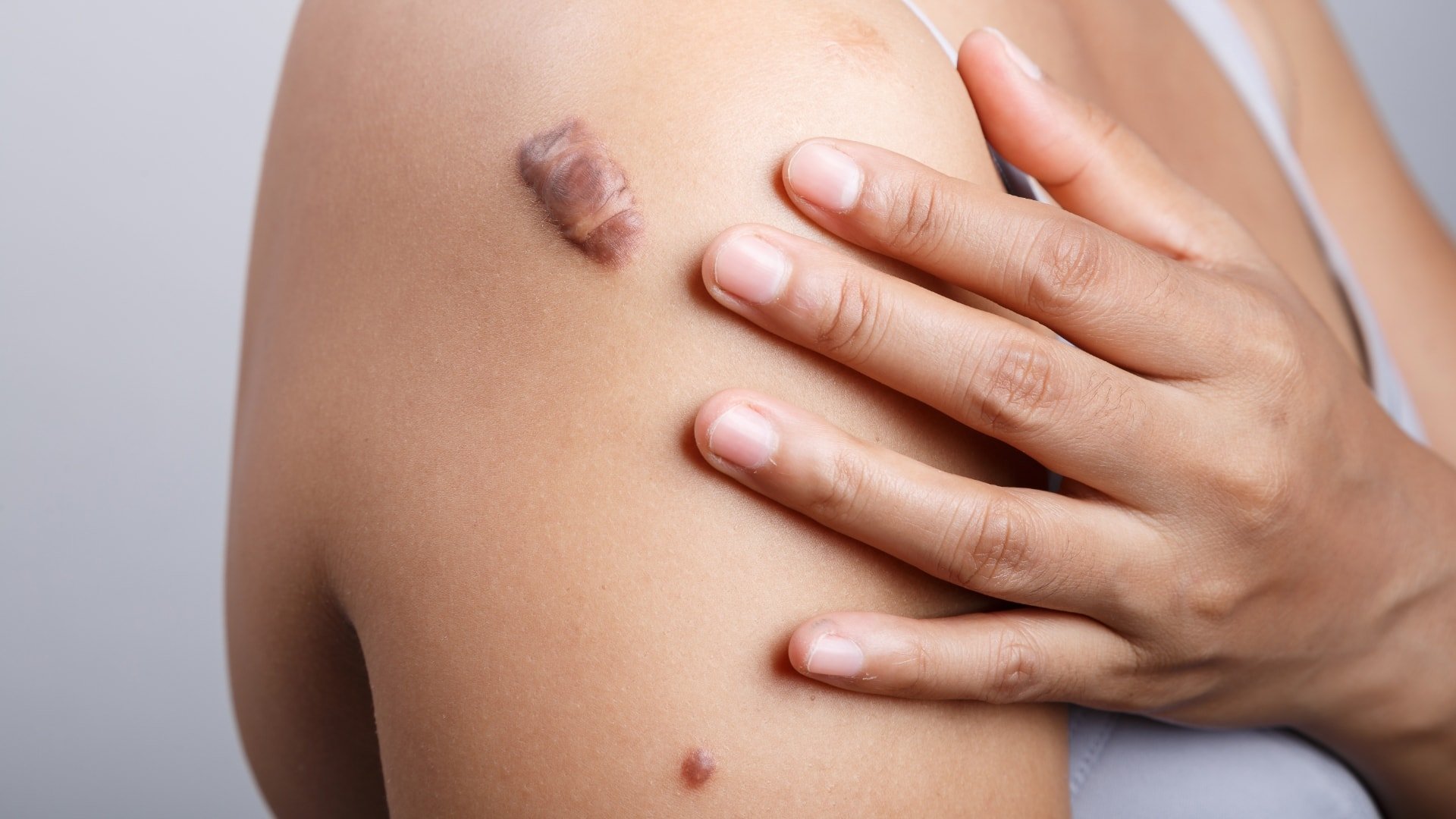
A keloid scar is a form of raised scar that grows around a wound because of excessive collagen production by the skin during healing. The majority of injuries end up leaving a flat line or a faint mark. With a keloid, your skin continues healing over time.
Keloids appear as a smooth, shiny, or rigid lump. They can range from pink and red to purple or be darker/browner than your natural skin. Keloids are not dangerous to health as they are benign (non-malignant). But as they grow, keloids feel itchy, tender, or painful.
Our keloid scar treatment (traitement cicatrice chéloïde) aims to flatten the scar, ease discomfort, and prevent recurrence.
You can experience a keloid scar anywhere on your skin. The most common places are:
The main keloid scar cause is the overproduction of collagen while your body is healing from a wound. Acne, a piercing, a burn, or a surgical incision can trigger it. You can be prone to it if you:
Location also matters. Having a keloid scar on the ear, chest, or shoulder is more common than on the upper back or abdomen. A keloid is not inevitable if you possess any of the risk factors. Rather, informing your doctor before a piercing or an incision is important.
Both seem raised and thick, but they don’t behave in the same way.
| Feature | Hypertrophic scar | Keloid scar |
| Growth | Stays within the edges of the original wound | Spreads beyond the wound site |
| Onset | Appears rapidly within a few weeks after the injury | Grows slowly after months or even a year |
| Common places of occurrence | Chest, neck, shoulders, etc. | Chest, earlobes, shoulders, etc. |
| Symptoms | Mild itching or tenderness during early stages | Frequently painful, intensely itchy, or hypersensitive |
If confused, come to our clinic for a quick checkup. With a single examination, our dermatologists can confirm which one you have. If you are dealing with a different type of scar, we treat that too.
Thinking of how to flatten a keloid scar? We offer a range of treatment options according to the keloid’s size, location, and severity.
A steroid injection for keloid scars inhibits fibroblast activity and reduces the excessive production of collagen. This is injected directly into the scar tissue to control inflammation and gradually shrink the keloid. This is considered for smaller or newer scars.
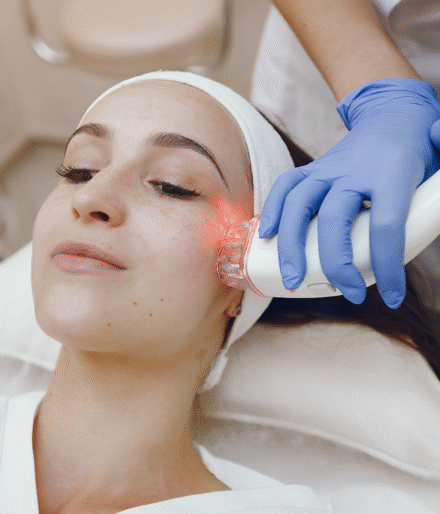
If you are considering laser treatment for keloid scars, CO₂ is an effective option for stubborn lesions. Deep holes are made in the scar tissue to stimulate your body’s natural healing process and restructure collagen.
Tiny channels are made in the scar to trigger healing and to break down thick collagen. This makes a keloid look flatter, softer, and less noticeable.
Effective for smaller lesions, liquid nitrogen is used in this procedure to flatten and shrink raised scars. A needle is placed directly inside the keloid scar to freeze it from the inside out.
Large keloids can be cut out, and that includes earlobe keloid removal after an ear piercing. Surgery often leads to regrowth. Pairing it with laser or injections prevents the recurrence of the scar.
While treating keloid scars, we keep the patient’s condition in mind, adopt combination treatments if required, and prevent keloids from coming back.
The treatment plan is driven by the size, severity, and the place of occurrence of the keloid. Our treatment approach for a small keloid on the earlobe is different from the one on the shoulder.
Pairing treatments delivers better results for keloid scar treatment while minimizing the chance of recurrence. Talk to our experts to see if laser therapy can be combined with laser therapy.
Keloid scar recurrence after removal is common, especially when you rely on surgery only. This indicates the need for a tailored aftercare plan to prevent the scar from regrowing.
Keloids rarely disappear completely. With advanced treatments and structured follow-ups, we aim to make the scar softer, flatter, and more comfortable.
Bring details of your previous scar treatments, if any, to our clinic. This helps your dermatologist to understand what has already been considered.
Led by Dr. Joseph Doumit, we have a skilled and experienced team of dermatologists, physicians, and aesthetic nurses. We are the best in the business because of:
Select your nearest location:
• Montreal (Downtown)
• Gatineau
• Ottawa
📞 Call 514-400-3291 (QC) or 613-714-8877 (ON).
Early and proper treatment makes a keloid scar smoother and less prominent. Book a consultation and get the right treatment for your scar.
It is not possible to state a single price. The cost depends on several factors, like the size and location of the keloid, the offered treatment, and the number of sessions required. We can provide a proper figure only after an examination.
Silicone sheets are a good supporting step for keloid scars. They trap moisture in the outermost layer of the skin (stratum corneum). This forces cells to lower the production of extra collagen. Consult with your dermatologist before relying on silicone sheets.
The possible side effects of cortisone injection for keloids (injection cortisone chéloïde) are skin thinning, changes in pigmentation, and pain. The risk of side effects increases with higher doses and closely spaced sessions. This is why timing is planned properly.
Since ear keloids are comparatively easier to manage, consult with us before the keloid grows large. Ask your dermatologist whether re-piercing is sensible. Many people with a keloid history skip piercings and tattoos in prone areas altogether.
There is no conclusive evidence on whether these remedies work for keloid scars, and they are not a viable alternative to medical treatment. They might cause skin irritation. Scratching, picking, or trying to remove a keloid yourself can also make it worse.