CHOOSE YOUR CLINIC
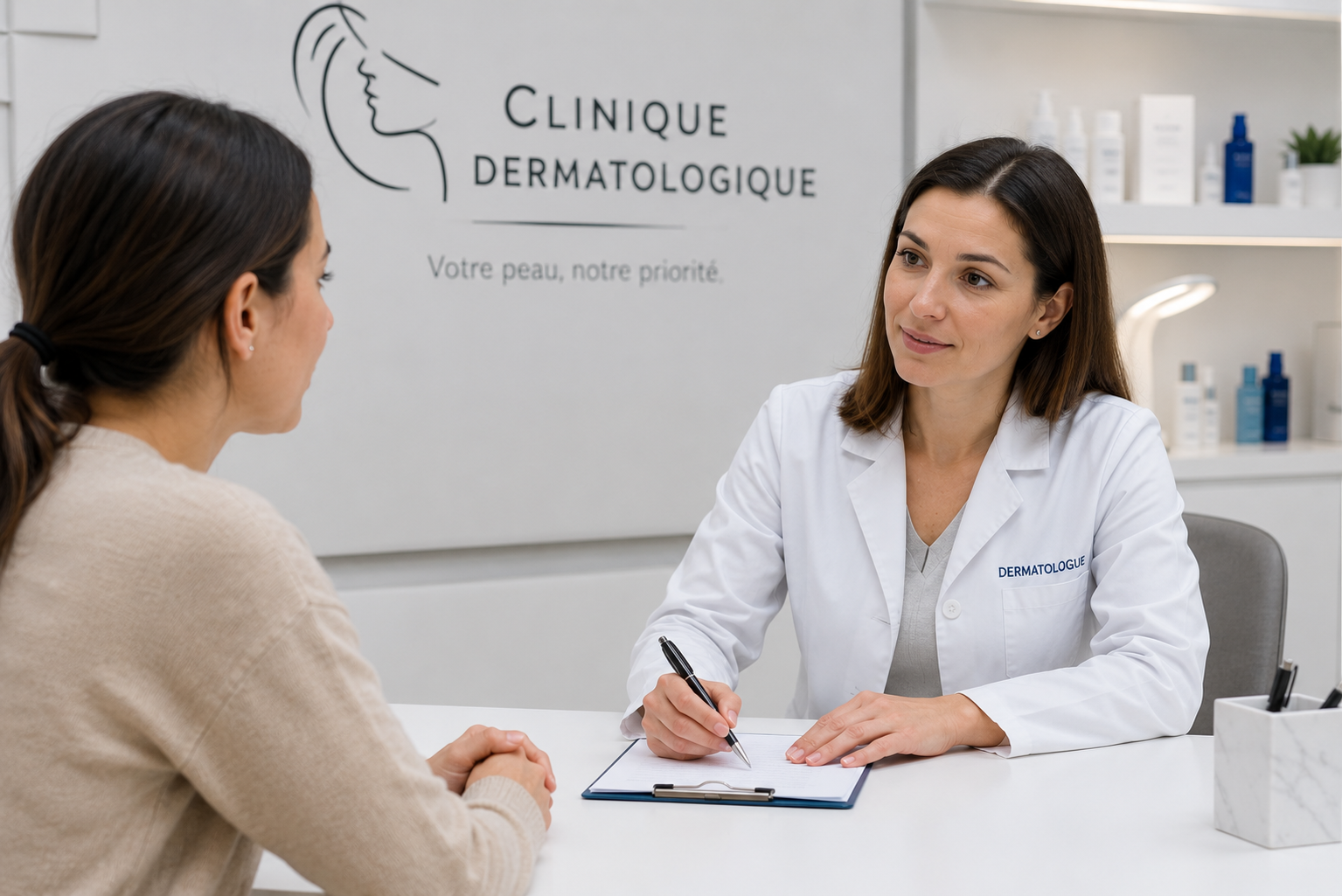
Patient complaints are a normal part of managing a dermatology clinic. Even when a clinic provides professional care, patients may raise concerns about waiting times, fees, communication, diagnoses, treatment recommendations, expected results, or staff behavior.
The way a clinic responds can directly affect patient trust and its public reputation.
The first step is to allow the patient to explain the concern without interruption. Staff should remain calm, avoid becoming defensive, and show that the complaint is being taken seriously.
A suitable initial response could be:
“Thank you for bringing this concern to our attention. We will review the situation carefully and follow up with you.”
Acknowledging the complaint does not necessarily mean admitting fault. It shows that the clinic is willing to review the matter professionally and fairly.
Complaints involving a consultation, diagnosis, prescription, biopsy, dermatological procedure, cosmetic treatment, billing, or personal information should always be handled privately.
The clinic can invite the patient to continue the discussion by telephone, secure email, or during a private meeting.
A suitable public response could be:
“We take all concerns seriously and would appreciate the opportunity to review this matter privately. Please contact our clinic directly so our team can assist you.”
The clinic should never publicly confirm that the reviewer is a patient or disclose medical information.
Each complaint should be recorded clearly. The documentation may include:
Accurate documentation helps the clinic conduct a fair investigation and maintain a record of how the complaint was handled.
Before providing a final response, management should review all relevant information, including:
The healthcare professional or staff member involved should also have an opportunity to explain what happened.
The clinic should avoid reaching conclusions before reviewing all available evidence.
The final response should be calm, factual, and easy to understand.
It may include:
Even when the clinic disagrees with the complaint, the response should remain respectful and focused on facts.
Some dermatological treatments require time before visible results appear. Others may require several sessions, follow-up appointments, or changes to the treatment plan.
The clinic should clearly explain:
Clear communication before and after treatment can prevent many misunderstandings.
Depending on the situation, the clinic may offer:
The clinic should not promise compensation before completing its investigation.
When a complaint is posted on Google, Facebook, Yelp, or another platform, the clinic should avoid responding aggressively or publishing a detailed defense.
A public argument may worsen the situation and could expose confidential information.
The best approach is to provide a brief, professional response and move the discussion to a private channel.
Some reviews may contain false information, personal attacks, spam, impersonation, confidential details, or claims made by someone who may never have visited the clinic.
The clinic should preserve all available evidence, including:
The clinic can then report the review and explain precisely why the content may violate the platform’s rules.
Clinics that need support can consult a professional online review management service to assess the content, organize supporting evidence, and follow the appropriate reporting process.
All employees who communicate with patients should understand the clinic’s complaint-handling procedure.
Training should explain:
Complaints can reveal recurring operational problems.
For example, repeated concerns about waiting times may indicate scheduling issues. Complaints about fees may show that pricing information is unclear. Similar concerns about treatment results may indicate that patient expectations need to be explained more carefully.
Management should review complaints regularly to identify patterns and improve the patient experience.
A patient complaint should never be ignored or answered emotionally. A dermatology clinic should listen carefully, document the concern, investigate the facts, protect confidentiality, and offer a fair resolution when appropriate.
When handled professionally, a complaint can become an opportunity to rebuild trust, improve services, and protect the clinic’s reputation.