CHOOSE YOUR CLINIC
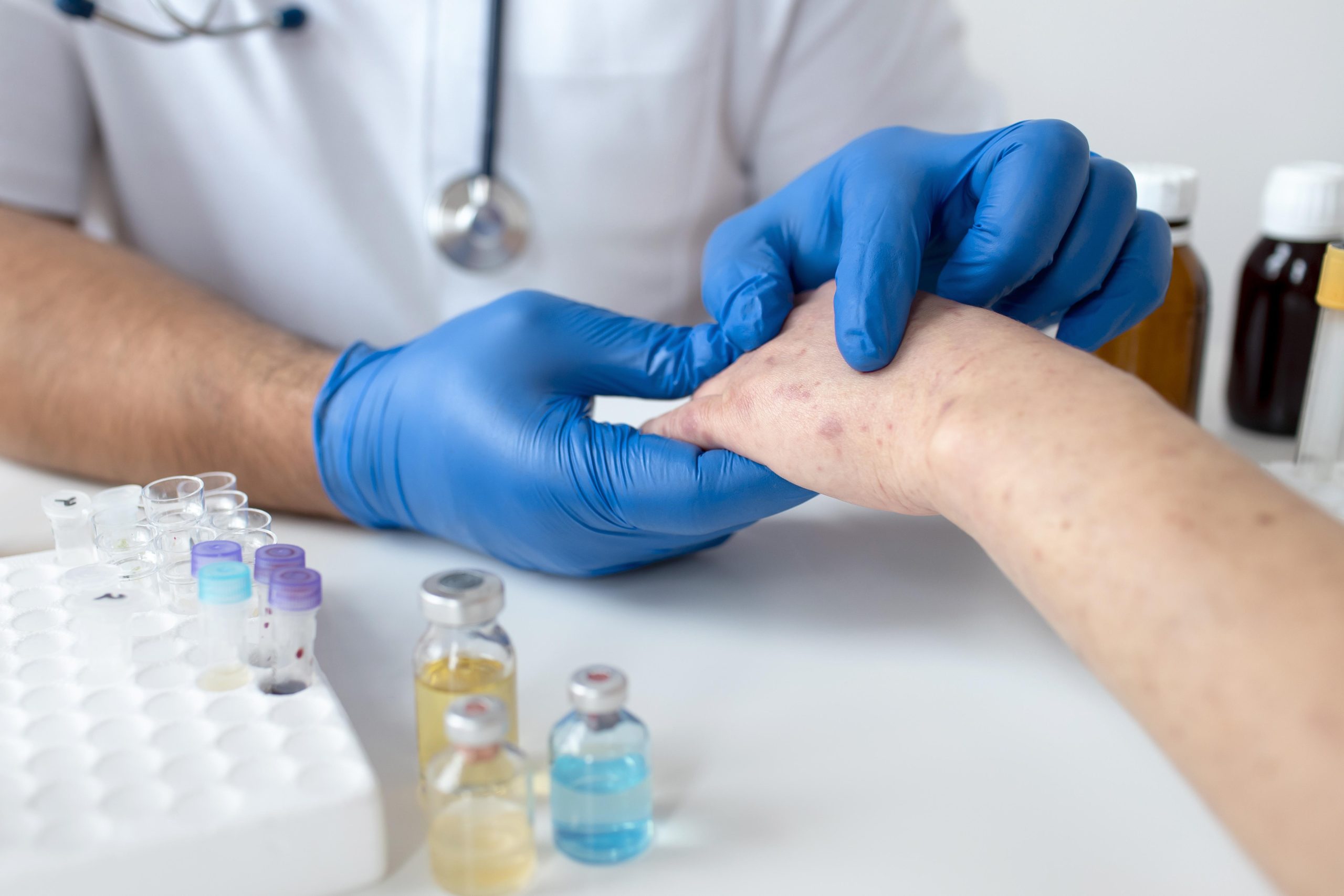
A dermatological emergency is a serious condition that needs immediate medical attention. Some of the common examples are painful rashes along with fever, allergic reactions, and extensive burns. Immediate medical help and manage the situation better.
Key Takeaways
Dermatological emergencies include a wide range of skin conditions that can impact your health and well-being significantly. The skin is a vital barrier against pathogens, environmental irritants, and fluid loss, while playing a crucial role in sensory perception.
Given its multiple functions, dermatological conditions are a reflection of systemic health and often indicate underlying conditions.
Identifying and managing dermatological emergencies is necessary, as some emergencies can turn into life-threatening scenarios and call for emergency skin care.
A dermatological emergency is a condition that requires immediate evaluation and treatment. These conditions can develop all of a sudden and get worse within a few hours.
Some emergencies only affect the skin, whereas others can be linked to serious underlying health issues. In various cases, immediate treatment can prevent long-term damage and enhance the recovery process.
If your symptoms are severe, seeking an emergency dermatologist opinion can make a huge difference in the outcome.
Various medical conditions fall under skin emergencies. Knowing what they are will help you spot it early and get a proper diagnosis.
One of the most serious dermatological emergencies is a severe allergic reaction. Symptoms may include:
These symptoms can indicate anaphylaxis, a potentially life-threatening condition.
Call emergency services immediately if breathing becomes difficult. After emergency stabilization, follow up with a dermatologist to assess any ongoing skin complications.
Burns are not always minor injuries. Severe burns require immediate medical attention. Seek urgent care if you experience:
Chemical exposure can continue damaging the skin even after contact ends. Immediate washing and professional treatment are essential.
Prompt emergency skin care can reduce complications and improve healing.
Blistering disorders can sometimes signal a serious medical emergency. Conditions that may cause widespread blistering include:
These conditions require immediate medical evaluation and should never be treated at home.
Although eczema and psoriasis are chronic conditions, severe flare-ups can become emergencies. Eczema is a condition that compromises the skin barrier, triggering the immune system to overreact to allergens and environmental irritants.
Psoriasis is also a chronic disease that causes the immune system to speed up cell production. It becomes a dermatological emergency when the skin-barrier function breaks down, causing systemic complications. You should seek medical attention if:
Rapidly spreading rash is a dermatological emergency as it could be a sign of acute allergic reactions, severe systemic infections, or a drug reaction like SJS or Stevens-Johnson syndrome. Some of the common symptoms that you might notice are:
A dermatologist can evaluate the rash and determine whether urgent treatment is needed.
When you act quickly, it can improve outcomes. Here are a few steps that can help:
Skin emergencies turn up unexpectedly. Various skin concerns are minor, but there are some that require immediate medical attention. You have to look out for the warning signs like severe infections, rapidly spreading rashes, allergic reactions and extensive blistering.
Whenever you are in doubt, seek professional care immediately. Finding a walk-in-clinic open or getting an appointment immediately can help you treat the condition timely before it gets worse.
Access to timely dermatological care is critical during urgent situations. At Clini-Derma, you get expert evaluation and treatment for a huge range of urgent skin conditions.. Early diagnosis and treatment can help you get better outcomes and faster recovery.
If you have a walk-in-clinic open near you, contact them once and check if they can treat urgent skin concerns, like allergic reactions, and painful rashes. More severe cases will require emergency services.
You should seek immediate help if you have severe pain, signs of infections, rapidly worsening rash, significant swelling or sudden blistering that needs evaluation.
Many dermatologist clinics keep slots for urgent cases. If your skin condition is rapidly worsening, contact the clinic directly and explain your symptoms and ask about a same day appointment.
Before you seek medical help, keep the area clean, do not try self-medication and take clear images of the affected area. If your symptoms include breathing difficulties, call emergency services immediately.
Not every skin issue needs to be taken to the emergency room. A dermatologist will be your best option for painful rashes, severe acne break, rapid changes in moles and severe eczema flare ups.