CHOOSE YOUR CLINIC
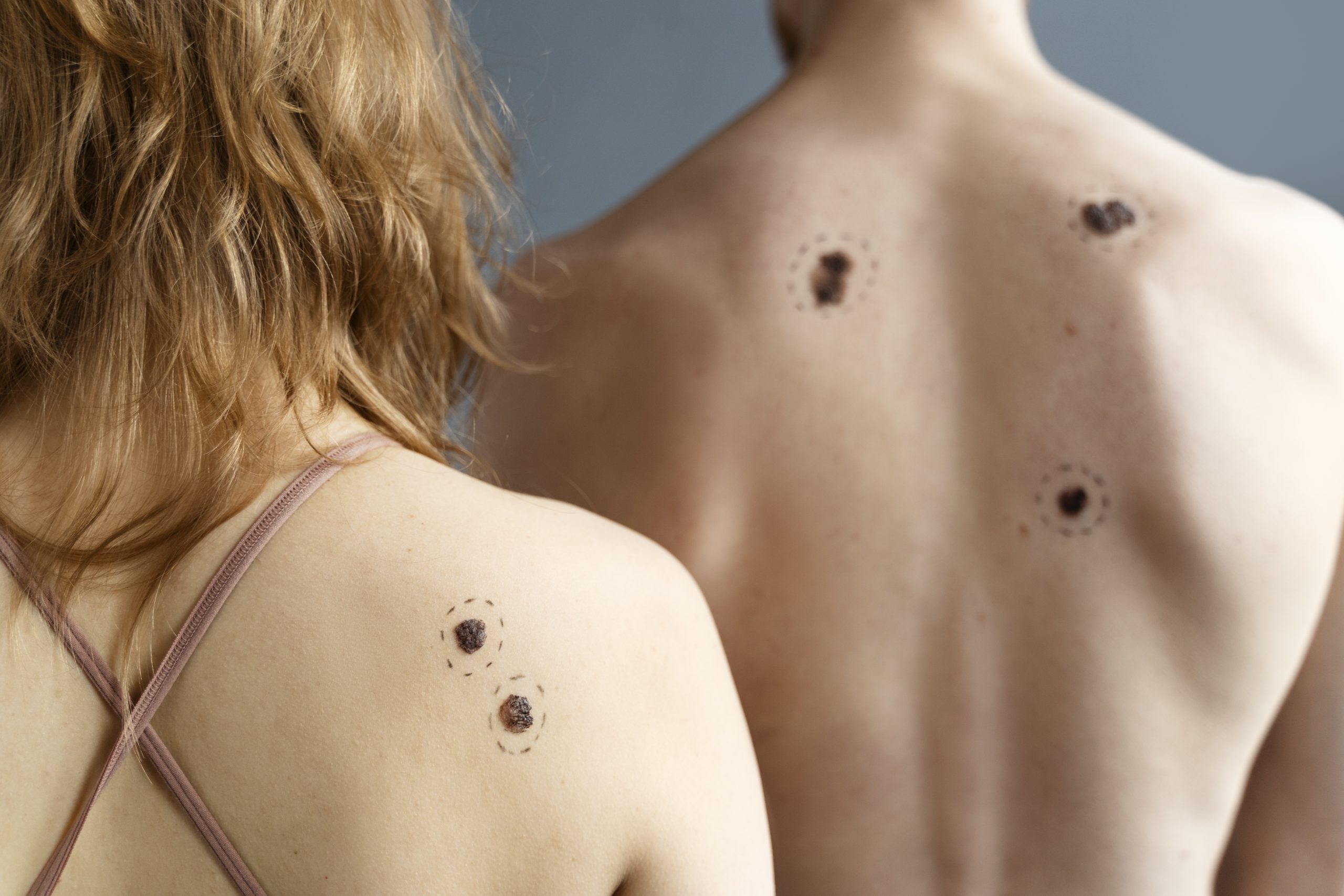
Keloid scars can be reduced or prevented in several cases. These are hard to avoid for patients with a high genetic tendency.
People feel excited after a surgical recovery or after having a new piercing in the ear. Meanwhile, what can take all the excitement within a short span is the appearance of raised and itchy bumps. These are keloid scars that can turn a minor skin trauma into overgrown blemishes.
Genetics has a definite role to play in your skin’s healing process, but avoiding keloids completely is difficult. Let’s find out how to avoid keloid scar formation after surgery or a piercing.
Keloids refer to thick and raised scars that occur after you heal a skin injury, and these develop larger than the actual skin injury. This mainly happens because the human body produces a high amount of collagen during the healing process for damaged tissue repair.
Collagen production becomes weaker in normal healing with the closing of the wound. Well, the repair continues if a keloid forms, and that results in excessive collagen production for a prolonged period even after the actual injury has already been healed. Here, you need to prioritize proper wound care to prevent keloids.
The initial signs of keloid formation are a raised texture, persistent itching, a change in the color of the mark, etc. Often, people get confused between keloid scars and hypertrophic scars. Well, they behave differently. Let’s see.
| Aspect | Keloid scars | Hypertrophic scars |
| Growth area | Expands beyond the actual injury site | Remains within the actual injury site |
| When develops | Appears months to years after injury | Grows within a few weeks to months after a wound |
| Natural course | Consistent, enlarges, and does not go away easily | Gets flattened and softened with time |
| Key causes | Piercing, acne, minor trauma, etc. | Burns, deeper injuries, and wounds after tension |
Table: Keloid scars vs Hypertrophic scars
This comparison also helps to understand new piercing keloid vs normal bump.
Before you know how to prevent keloid scars (comment prévenir les cicatrices chéloïdes), you need to understand who is at risk of keloid scarring (qui est à risque de chéloïde). Let’s find out.
Who is prone to keloid scars in terms of skin pigmentation? Well, people with black or brown skin have a higher chance of getting this.
The occurrence of keloid scarring is more common among people aged between 10 and 30 years old. This condition peaks during puberty or young adulthood because this is the period of high metabolic and endocrine activity, along with higher levels of tension and frequent lifestyle triggers.
Do you have a family history of keloid scars? If so, you have a higher chance of forming one in the future. Genetic history is one of the strong keloid scar risk factors.
You might think about how can you prevent keloids before elective procedures. Well, the best way to prevent this is to avoid any unnecessary skin trauma. If you have a darker skin tone or you have a family history of keloid scars, it’s better not to go for elective cosmetic surgeries, body tattoos, and body piercings.
Surgery is not always avoidable. You must interact with us beforehand and disclose your scarring history. What we can do is:
Imagine you have keloid-prone skin. What to do in such cases? Well, we can:
When it comes to keloid scar prevention for patients belonging to the high-risk category, clinics consider immediate post-operative preventative therapies. At Clini-Derma, we provide cortisone injections to lower inflammation while reducing the size of the scar.
Piercing is one of the key triggers of keloid scars, and seeing a keloid bump after a new piercing is common. The early signs of piercing keloid (signes précoces chéloïde perçage) are a rubbery texture, red or pink lesions, tenderness or burning, etc. Before you decide on a piercing, keep these in mind.
Cartilage has comparatively lower blood flow, heals slowly, and is subjected to consistent friction that contributes to high growth of scar tissue. It’s better not to go for cartilage piercing if you are prone to keloid scars.
For preventing keloids after a piercing (chéloïde après perçage prévention), you must choose a licensed piercer. Ensure that they consider medical-grade needles that conveniently slice through tissue without leaving a complicated wound. Avoid piercers who use automated piercing guns, as they result in excess micro-trauma that results in intense inflammation.
A good ear-piercing keloid prevention strategy is wearing pressure earrings. Such earrings offer uniform compression to the tissue while lowering blood and oxygen supply to the healing area. This also decreases fibroblast production (cells responsible for collagen creation), thereby helping to prevent keloid scars.
You might worry about how to prevent keloids after piercing. Well, proper aftercare is non-negotiable. Here are some tips for you.
The wound in your body begins to heal with the closing of surgical incisions and removal of stitches. The useful strategies for preventing keloids after surgery are:
Clinics use silicone sheets to prevent keloid scarring because silicone offers optimal hydration and occlusion that controls collagen production. By forming a protective barrier and locking in hydration levels, these sheets regulate fibroblast activity while bringing collagen synthesis to its normal level.
You need to apply silicone sheets for 12 to 24 hours a day. Continue this for 3 to 6 months. To ensure keloid prevention after surgery (prévention chéloïde après chirurgie), go for this when the incision is fully closed and all sutures are out.
Referring to this therapy, steady mechanical pressure is applied continuously to a healing wound to flatten keloid scars. A pressure of around 20 to 25 mm Hg results in a dip in local blood flow while forming a low-oxygen environment. The therapy is responsible for increasing collagenase activity.
Normal skin pigmentation is absent in fresh scar tissue, and it is hypersensitive to ultraviolet (UV) radiation. When you expose your wound to the Sun, inflammation begins, and that leads to keloid expansion. Consider using a broad-spectrum zinc oxide sunscreen (SPF 30+) daily for at least a year, as it is an effective post-surgical keloid scar care.
OTC medications are not enough for patients going for keloid removal or any major surgery. The common medical interventions are:
Clinics use corticosteroid injections (triamcinolone acetonide) to minimize inflammation while breaking up collagen bonds. We offer low-dose cortisone injections (Kenalog) to prevent keloids before they form.
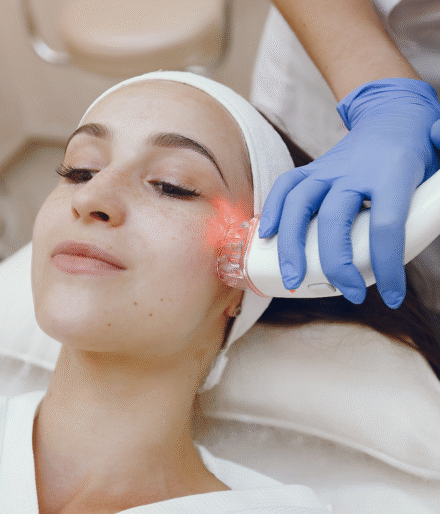
We use fractional laser therapy to reduce collagen levels while promoting skin renewal. This therapy targets the blood vessels that feed keloid scars while fading and softening them. You will be relieved of localized itching.
Are you worried about how to avoid a keloid (comment éviter une chéloïde) after surgery? Well, cryotherapy is a good option, as it uses extremely cold liquid nitrogen to freeze and flatten keloid scars from the inside out. While performing this therapy, we aim to decrease the keloid’s size.
Keloid scars can be prevented after surgery if silicone sheets are used or compression therapy is adopted, or after piercing if you wear pressure earrings or adopt effective aftercare. Your regular habits also contribute to keloid scar formation.
Are you undergoing surgery or piercing? The formation of keloid scars is common, but we are here to prevent them. Contact us to adopt the best possible solution.
Remove the jewelry immediately to prevent an early-stage keloid from developing after a piercing. Wear a custom pressure earring for 12 to 20 hours a day over 4 to 6 months. This flattens the tissue while preventing further collagen overproduction.
Typically, keloid formation begins within 3 to 12 months after a piercing. They begin as a firm red or dark pink spot that might itch or will increase in size over time. If you witness bumps appearing within the first couple of weeks to a month, they may be irritation bumps, friction lumps, or minor inflammation and not always keloids.
You must contact us if you see that a raised scar has grown larger than the original wound. Seeing a dermatologist is a must if the scar is itchy and painful. Keloid scars can be stopped from getting bigger if early treatment is given.
In short, yes. Friction from tight clothes, heavy smoking, lack of nutrition, and chronic skin dryness can disrupt the natural capability of your body to repair cuts or wounds correctly. Always keep the healed skin moisturized, avoid rubbing the new scar tissue, and stay hydrated to ensure good skin health.
Keloids are benign (non-cancerous) growths of excessive scar tissue. They do not spread through blood or turn into skin cancer. Large keloids (whether they are present over the shoulder or elbow) can result in physical discomfort while restricting normal range of motion.