CHOOSE YOUR CLINIC
A facelift refers to a cosmetic surgical process, rejuvenating the neck and face by retightening underlying muscles and removing excess sagging skin to develop a younger appearance. This is also known as a rhytidectomy, reducing double chins and jowls. Here, we talk about combining cosmetic surgery with other treatments like fillers, grafting, and others, and the outcomes.
Research shows that in 2024, the global cosmetic surgery market reached $83.70 billion, and by 2033, it was expected to hit $195.87 billion, at a CAGR of 10.09%. The industry is deeply driven by the increasing awareness regarding aesthetic treatments, fostered by celebrity culture and social media, leading to a higher demand for procedures to enhance one’s physical appearance. However, the process is now combined with other treatments like peels and fillers to provide a better outcome.
But how does the combination work? Is it safe?
Let’s find out.
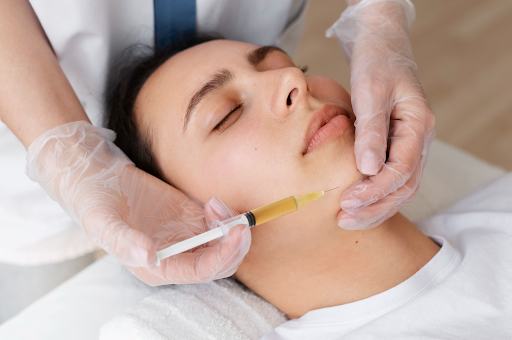
The PRP (platelet-rich plasma) treatment has been widely popular as a non-surgical facelift process, since individuals’ blood is only used to rejuvenate skin through cell growth and collagen production. However, combining this facelift process with several other treatments, such as laser therapy, chemical peels, or dermal fillers, empowers the final result by improving facial contours and addressing issues regarding sagging skin. By adding various injectables, such as fillers, the professionals target additional concerns like reducing wrinkles, restoring a young look and smoother skin.
Also known as vampire facelift PRP, the process, with a combined effect, refines skin texture and tone, enhancing the rejuvenation effects. The complementary procedures develop a more natural-looking and balanced appearance. However, the integrated approach ensures facial harmony, as both surface imperfections and structural issues are linked to each other. The combined treatment allows for reducing the need for repeated surgeries and helps maintain refreshed and long-lasting results.
The before and after condition of PRP vampire, combined with the other cosmetic treatments like laser resurfacing or fillers, not only provides a young and better look, but also boosts one’s confidence in personal and professional spheres.
| Treatment Type | Primary Benefit | Duration of Results | Downtime | Ideal For |
|---|---|---|---|---|
| Dermal Fillers | Restores facial volume and smooths wrinkles | 6–18 months | Minimal | Midface sagging, cheek enhancement |
| Thread Lift | Lifts and tightens skin using dissolvable sutures | 12–24 months | Mild swelling | Jawline and neck tightening |
| Ultherapy (Ultrasound Lift) | Stimulates collagen production using ultrasound | Up to 2 years | No downtime | Loose skin around the chin and brow |
Table 1: Common Non-Surgical Facelift Treatments
Here, you can find some of the key add-on treatments for better facelift outcomes.
Dermal fillers are one of the most popular surgical complements by restoring the facial volume, in several areas like lips, cheeks and nasolabial folds. This makes a difference by removing facial fat, compared to conventional PRP therapy for the face.
Fillers like hyaluronic acid are mostly popular, as they provide natural-looking results within a minimum time period, as well as can be customized as per individual requirements. Moreover, since the recovery period is quick, it is suggested by professionals.
Fat grafting refers to a cosmetic or reconstructive process, harvesting fat from a particular area of the body, processing it, and injecting it into another to improve contour, add volume and address defects. The fat is mostly collected from thighs or abdomen, and transferred to areas like breasts, face, hands, or buttocks to address scars, wrinkles, or volume loss. The results are long-lasting, like the other combined approach, since the fat is collected from the patient’s body.
However, the results are also long-lasting, soft, and biocompatible, while performed alongside a PRP therapy for the face or other conventional PRP treatments.
Improving the surface of the skin is essential to complete the rejuvenation process after tightening the underlying structure with a facelift. However, laser skin resurfacing and chemical peels are useful in this regard, to remove damaged skin layers, smoothening fine lines and reducing hyperpigmentation. The before and after conditions of PRP vampire facelift can be more visible with the use of chemical peels and laser skin resurfacing, based on the improved skin tone and texture. The combination of facelift surgery and resurfacing allows patients to experience both surface and structural improvements, resulting in a radiant complexion.
| Feature | Why It Matters | Benefit to Patients |
|---|---|---|
| Minimally Invasive | No incisions or general anesthesia | Faster recovery, lower risk |
| Customizable | Combines multiple techniques | Tailored results |
| Cost-Effective | Lower than surgical procedures | Affordable rejuvenation |
| Natural Results | Enhances appearance gradually | Avoids “overdone” look |
Table 2: Key Advantages of Non-Surgical Facelifts
A personalized treatment plan is a crucial factor when combining cosmetic treatments like peels and fillers with a facelift. First, you need a thorough facial assessment by an experienced professional, which ensures the processes complement each other for natural-looking and balanced results.
As you can find, every face ages differently. While some of them lose volume and develop wrinkles, others experience sagging. Due to this, a customized plan is required, and professional expertise is essential to provide a precise plan to restore volume with dermal fillers and even out layers of the face with chemical peels. Age, muscle activity and skin texture are considered for a plan.
The tailored approach minimizes the risks of repeated surgeries and enhances facial harmony. The integrated methods foster better rejuvenation opportunities for patients, ensuring a young and appealing presence.
Although the combined approach of cosmetic treatments like dermal fillers and laser resurfacing, and facelift empowers a comprehensive skin rejuvenation, it involves some risks and medical considerations as well. Patients may experience some side effects like bruising, swelling or mild discomfort, and the recovery time depends on the individual skin type and the patient’s age (mostly a few days to weeks). Moreover, the combined treatments enhance the overall costs, which sometimes become a burden for patients. However, choosing an experienced and qualified dermatologist or surgeon is important to assess a customized treatment plan and aftercare facilities to achieve the desired outcomes.
Facelifts improve both surface and structural rejuvenation when combined with other cosmetic procedures, including dermal fillers, PRP therapy, and laser resurfacing. Fillers restore facial volume for a more youthful, balanced appearance, and a facelift tightens sagging skin. Laser therapy and fat grafting further improve tone and texture while minimizing flaws. Natural, long-lasting results are ensured by customized treatment planning depending on age, skin condition, and goals. A professional surgeon ensures safety, harmony, and the best possible aesthetic results from this combination procedure, even though side effects like swelling or bruising may occur.
Looking for the best PRP and combined treatment? Visit our websites to find the premium offers to live your youth once more.
Indeed. Both before and after a facelift, peels and fillers are frequently utilized. They can assist in refining certain regions, like as lip volume or forehead lines, before surgery. Following healing, they restore lost facial volume and soften dynamic wrinkles to maintain and improve the surgical outcomes.
While fillers treat wrinkles, fine lines, and volume loss, a facelift mainly tightens and lifts sagging skin. By addressing both structural and surface ageing issues, combining these methods guarantees a more balanced, natural-looking rejuvenation.
Combining these operations is safe when done by a skilled, board-certified cosmetic surgeon. In order to minimize risks and promote the best possible recovery and long-term outcomes, the doctor will develop a customised treatment plan for each procedure.
Surgeons usually advise against getting fillers for three to six weeks following a facelift. This ensures accurate placement and improved cosmetic results by allowing swelling to go down and tissues to repair. Always adhere to the timetable specified by your surgeon.