CHOOSE YOUR CLINIC
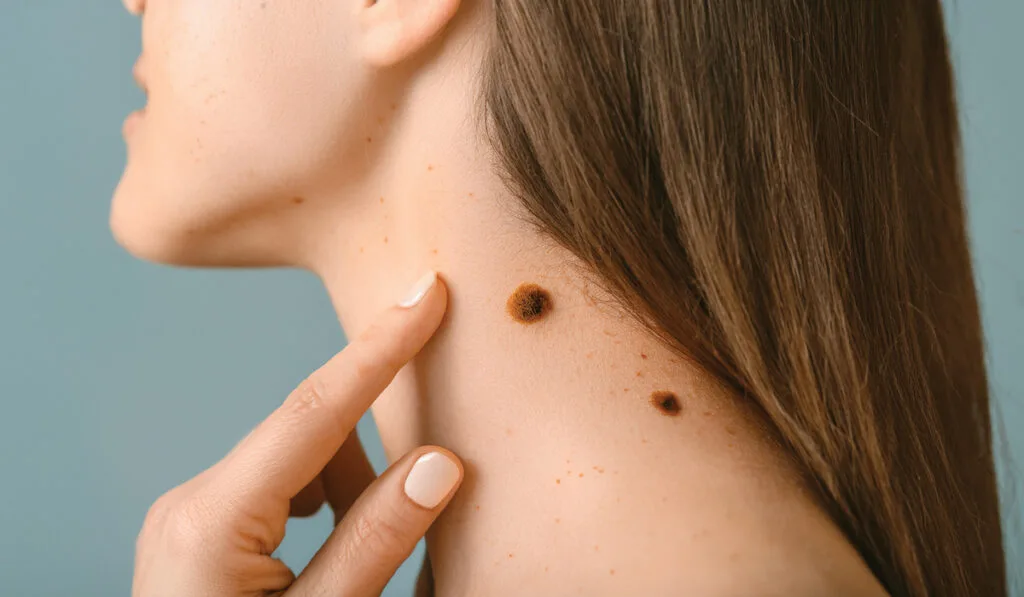
Moles, also known as nevi, are very common skin lesions. They often appear on the face or body and can vary in size, shape, and color. Some moles are flat, while others may be slightly or noticeably raised.
Moles usually develop during childhood and adolescence. Some are present at birth and are referred to as birthmarks. Most adults have between 10 and 45 moles, with the majority appearing before the age of 40.
There are several types of moles, including junctional, compound, intradermal, and congenital moles. Most moles are benign and harmless. However, any change in size, color, or shape should be evaluated by a physician to rule out a more serious condition.
A cyst is a fluid-filled or semi-solid sac that develops beneath the skin. Cysts can occur in various areas of the body but are most commonly found on the face, neck, and torso.
They usually grow slowly and are often painless. While most cysts are benign, some may become infected, inflamed, or painful, leading to redness or abscess formation. Any lump that grows rapidly, becomes painful, or changes in appearance should be medically assessed.
A lipoma is a slow-growing, benign fatty mass located between the skin and the underlying muscle. Lipomas are typically soft, movable, and painless.
They most commonly appear on the torso, neck, arms, thighs, and underarms, but they can develop almost anywhere on the body. Lipomas are not cancerous and are generally harmless. They can occur at any age but are most common between 40 and 60 years old. Discomfort usually relates to their location or increasing size, especially when they become visible.
Warts are benign skin growths caused by the human papillomavirus (HPV). They may appear on different parts of the body, including the hands, feet, face, and neck.
There are several types of warts, such as common warts, plantar warts, and flat warts. Although benign, warts can be unsightly, uncomfortable, or painful, particularly in areas exposed to pressure or friction. Some warts may spread or persist without treatment.
Skin tags, medically known as acrochordons, are small, soft, benign growths of skin that commonly develop in areas where skin rubs against skin or clothing. They are most often found on the neck, underarms, groin, eyelids, and under the breasts.
Skin tags are extremely common and harmless. They may appear as single lesions or in clusters and can vary in size. While they do not pose a medical risk, many patients choose to have them removed for comfort, cosmetic reasons, or irritation caused by friction.
During your consultation, the dermatologist will perform a thorough examination of the lesion, confirm the diagnosis, discuss the most appropriate treatment options, and explain the procedure in detail.
Before treatment, a topical or local anesthetic is applied to ensure comfort. Aside from a brief pinching sensation during the local anesthetic injection, most patients experience little to no discomfort. The area is then cleansed, and the procedure begins.
Several effective techniques are available to remove moles, cysts, lipomas, warts, and skin tags in Montreal, depending on the type, depth, and location of the lesion.
This technique uses a dermatologic blade (dermablade) to remove the lesion parallel to the surface of the skin. It is commonly used for superficial moles, skin tags, and warts.
The procedure takes approximately 20 minutes, usually does not require stitches, and healing occurs within 1 to 2 weeks. Scarring is generally minimal and blends well with the surrounding skin.
Elliptical excision involves removing a deeper lesion completely. It is commonly used for deep moles, lipomas, and cysts.
The wound is closed with stitches, which may be absorbable or non-absorbable depending on the treated area. The procedure lasts about 30 minutes and aims to produce a scar that aligns with natural skin lines for optimal cosmetic results.
Electrosurgery uses a medical device called a Hyfrecator to destroy the lesion and control bleeding. This method is quick and effective and is often used for skin tags, warts, superficial moles, and other benign skin lesions.
The treatment takes only a few minutes and results in a small superficial wound.
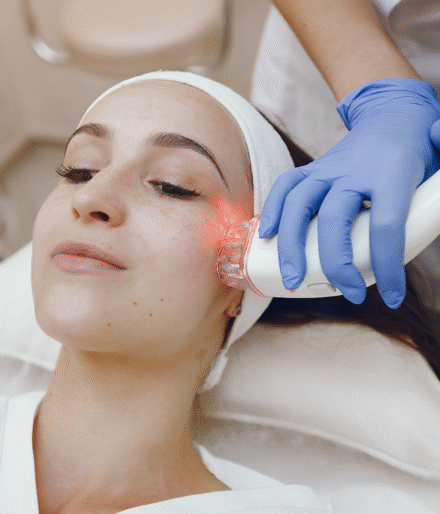
Laser removal is a modern, minimally invasive technique that uses a precise laser beam to vaporize the lesion layer by layer. This method minimizes damage to surrounding tissue and reduces the risk of scarring.
It is particularly suitable for skin tags, warts, benign moles, and selected superficial skin lesions.
Cryotherapy is commonly used to remove warts, skin tags, certain benign moles, and other superficial skin lesions. It involves applying liquid nitrogen at extremely low temperatures directly to the lesion to destroy abnormal cells.
The treatment is quick, usually lasting only a few minutes, and typically does not require anesthesia. Patients may experience a brief stinging or burning sensation. After treatment, the area may become red, form a small blister, or scab before healing naturally.
In most cases, no downtime is required, and patients can resume normal activities immediately.
A dressing is applied for 24 hours. The use of petroleum jelly (Vaseline) is recommended until the area heals or stitches are removed. Clear post-procedure instructions will be provided.
Mild discomfort may occur once the anesthetic wears off, but most patients do not require pain medication. If stitches are placed, a follow-up appointment will be scheduled within 1 to 2 weeks.
As with any minor surgical procedure, there is a small risk of bleeding, infection, or scarring. However, mole, cyst, lipoma, wart, and skin tag removal procedures are safe, simple, and commonly performed.
Would you like to remove a mole, cyst, lipoma, wart, or skin tag in Montreal?
Contact us today to schedule a consultation with a dermatologist and discuss the most suitable treatment option for you.