CHOOSE YOUR CLINIC
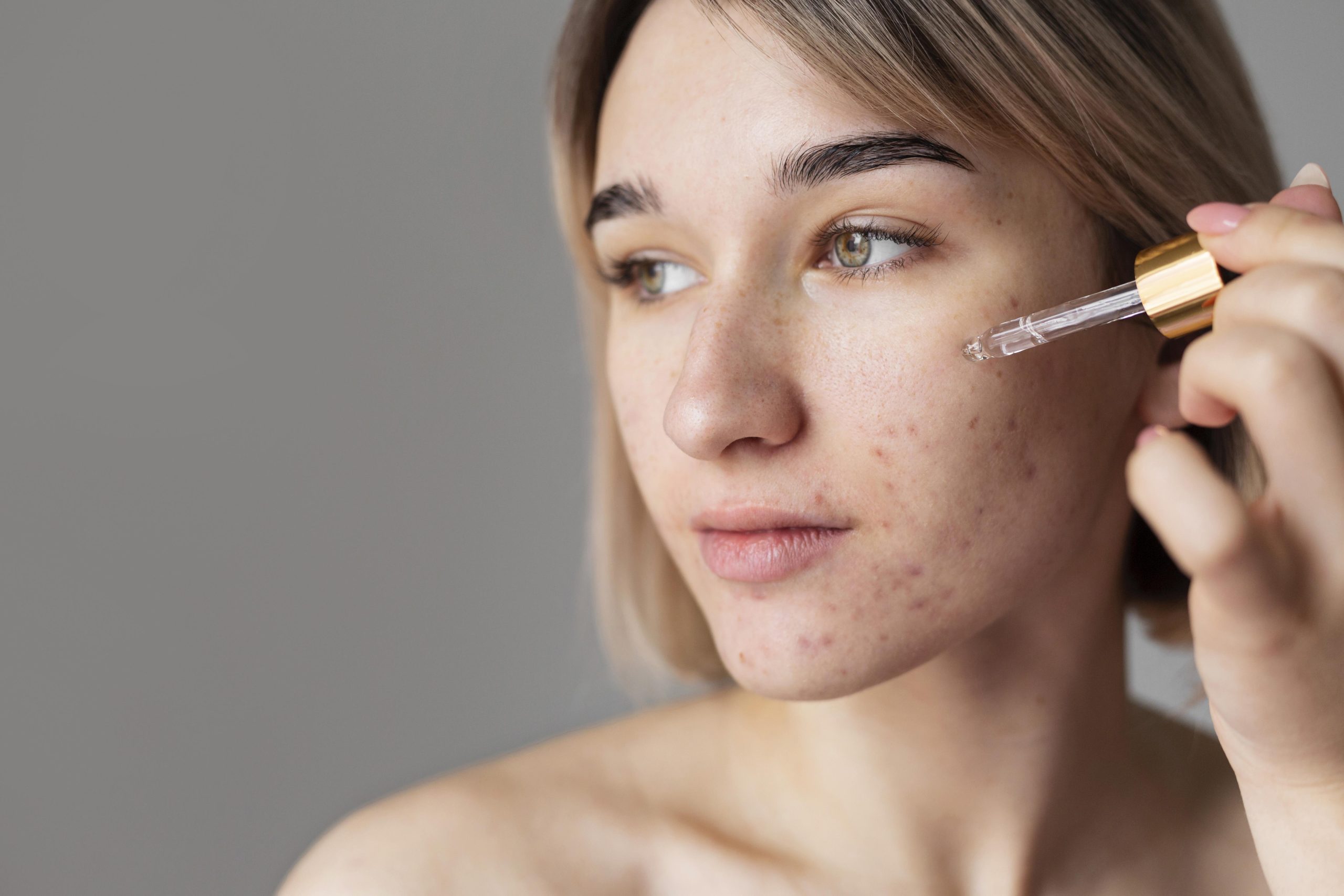
In Montreal, under Bill 31, a pharmacist can prescribe medications for minor acne conditions. However, for complex acne problems that might need clinical assessment and proper diagnosis, visiting a dermatologist is necessary because when the symptoms are severe, your pharmacist might refer you to a dermatologist for a comprehensive treatment plan.
Key Takeaways
Acne is a skin condition where hair follicles under the skin get clogged with excess oil (sebum) production, which ultimately leads to pimples, zits, blackheads, and whiteheads.
In Quebec, minor acne conditions can be treated by a pharmacist, but if your acne is widespread, cystic, inflamed, or scarring, it is best to visit a dermatologist for better results.
In Quebec, a pharmacist can legally prescribe medication for minor and uncomplicated acne conditions (without nodules or pustules) for acne treatment in Montreal (traitement acné Montréal) under the Pharmacy Act, such as Bill 31.
The Limitations of a Pharmacy Counter
When you have a complex acne condition with deep, painful, and cystic acne, seeing a dermatologist is crucial for the prevention of long-term damage.
“Acneiform Eruption” is the medical term for acne mimic. In this condition, you might have skin issues like pimples, red bumps, or whiteheads, but caused by completely different factors. For acne treatment in Montreal (traitement acné Montréal), differentiating between acne and acne mimics is important.
Common acne mimics include:
Complex acne conditions need proper diagnosis and advanced hormonal mapping. Acne can be caused by PCOS (polycystic ovarian syndrome), adrenal disorders, rather than simple pore damage.
Seeing a dermatologist is necessary to:
Advanced diagnosis helps treat complex acne by shifting from a generic "trial-and-error" approach to highly personalized, targeted therapies by identifying the hormonal roots of the breakout, which a pharmacist in Quebec will not be able to provide for you. The diagnosis includes comprehensive blood panels for androgens, insulin, and glucose, multispectral imaging, and skin-barrier testing.
To reduce inflammation and prevent deep scarring, your dermatologist might have to inject you with dermal fillers, use chemical peels, or do microneedling. These procedures can only be executed under the supervision of a licensed dermatologist in Quebec.
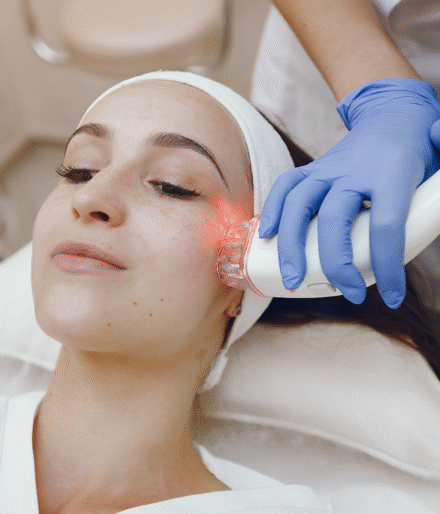
For active acne treatment in Montreal, you might also need laser treatment for skin conditions like keratosis pilaris to reduce sebum production and redness, which cannot be done at the pharmacy counter by a pharmacist. For these advanced treatment procedures, visiting a dermatologist is the best option.
In Quebec, getting an appointment with a dermatologist in the public health sector can involve a long waiting period. In such a condition, you can opt for a private dermatology clinic in Quebec to get the proper diagnosis and a personalized, comprehensive treatment plan for acne. Complex acne conditions are more severe than minor acne.
For example, conditions like rosacea, if left untreated for a long time, can affect your eyes, or folliculitis can lead to furuncles and carbuncles, which need a more aggressive treatment method than usual.
A professional dermatologist can identify the root cause by proper diagnosis and treat the condition with a comprehensive treatment plan. Hence, for complex acne treatment in Montreal, a visit to a dermatologist is needed rather than a visit to a pharmacist to get the optimal result.
If you are in Montreal and thinking about visiting a dermatologist, visit Clini-Derma, and you can also call us at: 1 514-400-3291. We have clinics in Montreal, Laval, South Shore, Gatineau, Mount Royal, and West Island. You can visit one as per your convenience.
1: How do I know if my acne requires a private dermatologist instead of a pharmacist?
If you have deep and painful nodules or fluid-filled cysts that leave permanent dark scars and structural pits, and the condition is not improved with pharmacist intervention, then you need to visit a dermatologist to identify the key cause and achieve better results.
2: Can a Quebec pharmacist put me on Accutane (Isotretinoin)?
No. A pharmacist cannot initiate an oral isotretinoin (Accutane) treatment protocol. Due to strict Health Canada risk management guidelines, potential systemic side effects, and the requirement for regular blood work monitoring (liver enzymes, lipid panels, and pregnancy tests), only a licensed medical doctor or dermatologist can initiate Accutane.
3: Why won't my stubborn acne go away with over-the-counter or pharmacy washes?
Persistent "acne" that resists traditional antibacterial and salicylic acid treatments is frequently not Acne Vulgaris at all. It may be an entirely different dermatological condition, such as Pityrosporum Folliculitis (a fungal infection of the hair follicle), Papulopustular Rosacea, or Perioral Dermatitis. A dermatologist uses specialized diagnostic skills to identify these mimics, which require entirely different targeted medical therapies.
4: Do I need a referral from a family doctor to visit a private dermatology clinic like Clini-Derma in Montreal?
No. One of the primary advantages of a private dermatology clinic in Quebec is that you do not require a referral from a family doctor or general practitioner. You can book an appointment directly with a specialist at Clini-Derma, entirely bypassing the lengthy waitlists associated with the public RAMQ system.