CHOOSE YOUR CLINIC
Our body gives us various signs when our skin barrier gets damaged. You might notice that your skin has started losing its natural moisture and feels sensitive in different environments. Before finding out about the healing process, you must understand which signs show that your skin barrier is damaged.
Key Takeaway
Most people deal with dry and flaky skin, particularly when the seasons change or they have applied any harsh skincare products. There are many women who ignore dry skin because they think it is a result of dehydration. However, dry and flaky skin is usually caused by a weak and damaged skin barrier.
Your skin barrier is extremely important, as it ensures that you don’t lose moisture and maintains your healthy skin glow. Additionally, it protects against environmental damage or any damage caused by skin care products.
If you understand the signs of a damaged skin barrier, you will be able to protect your skin and prevent the irritation from getting worse. In this blog, we will find out what the damage skin barrier symptoms are and their causes. We will also provide you with tips on how to repair the skin barrier successfully.
The skin barrier (stratum corneum) is the outermost layer of your skin that works as a shield to retain moisture and protect it from any bacteria or pollutants. What does this barrier do? Why is it important? Let’s look into these aspects:
The skin barrier maintains your skin’s elasticity and hydration. It essentially keeps moisture in while keeping environmental pollutants, bacteria, and other toxins out. A healthy barrier often ensures that the skin is hydrated and resilient.
However, people often lose their skin barrier with age. This scenario takes place as people might often not be aware of how to properly protect their skin barrier. In such cases, it is recommended that you apply for dry-skin treatment.
The skin barrier is crucial because if it gets damaged, your skin loses natural oil, which invites irritants to penetrate easily. A damaged skin barrier increases your chances of dealing with dry skin, redness, irritation, inflammation, allergic reactions, and sensitive skin.
When your skin barrier is healthy and strong, it will maintain hydration and protect it from bacteria, chemicals, UV rays, pollution, and different weather conditions. You should avoid using exfoliators more than once a week to avoid damaging your skin barrier.
Most people ignore the damaged skin barrier symptoms because they think they are just simple dryness issues. Hence, we are sharing with you the most common signs that you should notice to determine whether your skin barrier has been damaged.
Let’s look into some of the most common signs or symptoms that represent a damaged skin barrier:
When your skin barrier gets damaged, your skin will lack the ability to retain moisture. Due to this reason, you can start dealing with dry, rough, tight, or flaky skin.
You can notice visible irritation and blotchiness, especially during the winter season. These redness and inflammation are a part of the body’s immune response to infection, injury, or irritation, being one of the key damage skin barrier symptoms.
You might notice that when you apply skincare products, there is an irritation, itching, burning, or stinging reaction. Often, this does not happen because of the product. It happens because your skin barrier has turned weak or damaged.
When your skin barrier has turned weak or damaged, you might start dealing with acne problems or infections, or there might be an increase in bacteria on your skin.
You might see dull or uneven skin texture that looks flaky or patchy. This is the sign your skin barrier has been damaged.
| Symptom | What It Looks Like | Why It Happens |
| Dry and flaky skin | Peeling patches | Moisture escapes the skin |
| Redness | Irritated or inflamed areas | Skin becomes more reactive |
| Sensitivity | Burning or stinging sensation | A barrier can't block irritants |
| Breakouts | Unexpected acne | Bacteria enter compromised skin |
| Tight feeling | The skin feels stretched | Loss of natural oils |
Table 1: Key Damaged Skin Barrier Symptoms
These symptoms can become worse if you don’t visit a dermatologist for the right treatment. We suggest you visit Clini-Derma, who are experienced in checking different types of skin and personalising the treatment process.
You can not treat your skin without knowing the main causes of the damage. Hence, here we are providing the common causes of a damaged skin barrier so that you can understand how to take care of it in the future.
Over-Exfoliation Using Harsh Skincare Products:
Your damaged skin barrier might be the result of over-exfoliation. Most people use harsh skincare products on their skin, like strong cleansers, scrubs, alcohol-based toners, chemical exfoliants, or acidic ones. These products can damage your skin barrier when you exfoliate more than once a week.
You should also avoid combining too many products because some contain many potent actives like retinol and Vitamin C.
Environmental Stressors:
Other common reasons for a damaged skin barrier are cold Canadian winters, dry indoor heating, UV exposure, and extreme sunlight exposure. If you are overexposed to pollution, extremely dry, cold or winter weather, then your chances of dealing with a weak skin barrier increase.
Overwashing:
Most people don’t know that washing more often can actually strip away their natural oils and damage their skin barrier. You should only wash your face once a day using gentle soap if you have dry skin.
| Cause | How It Affects Skin |
| Over-exfoliation | Removes protective oils and lipids |
| Harsh cleansers | Disrupts skin’s natural pH |
| Cold weather | Reduces skin hydration |
| Sun exposure | Weakens the protective layer |
| Aggressive skincare routines | Causes chronic irritation |
Table 2: Common Skin Barrier Damage Triggers
Most people unknowingly worsen their already damaged, dry and flaky skin by applying too many harmful or harsh products for the exfoliation process. If you have damaged your skin because of one of these reasons, you should consult an experienced dermatologist.
Once you know the signs and causes of skin barrier damage, you should find out the entire process of repairing the skin barrier. Here we are explaining how to repair skin barrier health and reduce the chances of further damage:
1. Simplify Your Skincare Routine
You can repair your damaged skin barrier by stopping the use of exfoliating acids and retinols. Dermatologists at Clini-Derma suggest that you should switch to a minimal skincare routine and avoid using strong actives for at least two months.
2. Hydrate and Protect The Skin From Sun Damage
You should start using gentle cleansers and apply moisturisers with hyaluronic acid, glycerin, or panthenol to hydrate the skin. Additionally, you should apply sunscreen with SPF 30+ whenever you go outside in the sunlight.
3. Use Barrier-Repair Ingredients
There are various barrier-repair ingredients suggested by dermatologists. The most popular ingredients you should look for are ceramides, hyaluronic acid, panthenol, fatty acids, cholesterol, and niacinamide.
| Ingredient | Benefit |
| Ceramides | Restore protective lipid layer |
| Hyaluronic Acid | Attracts and retains moisture |
| Niacinamide | Reduces inflammation |
| Panthenol | Supports skin healing |
| Fatty Acids | Strengthen barrier function |
Table 3: Best Ingredients for Skin Barrier Repair
Most people dealing with skin-related issues of barrier damage think that they can treat it by taking care of it at home. However, by taking care of your skin by yourself, any mistake can cause the condition to worsen. Hence, you need to consult an experienced dermatologist at Clini Derma to check your skin condition and provide you with a personalised solution.
Possible clinic-based dry skin treatment:
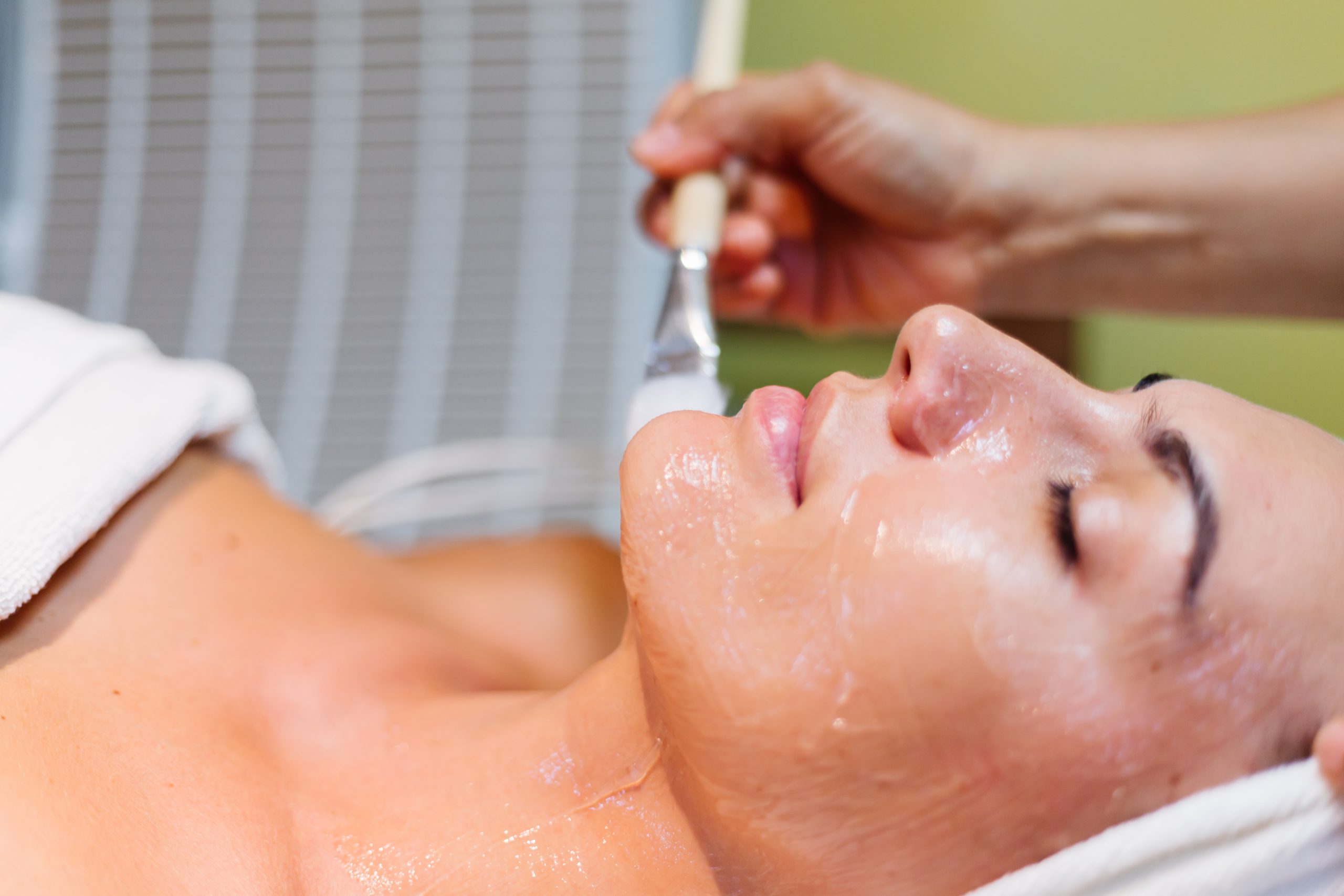
Experts can treat your skin and reduce inflammation by infusing hydration. These customised hydration facials can boost your skin’s moisture barrier.
You can get skin barrier therapy peels from experts to treat your damaged skin barrier. They will apply gentle exfoliators to remove the damaged cells. In this process, they ensure that your skin’s integrity remains preserved.
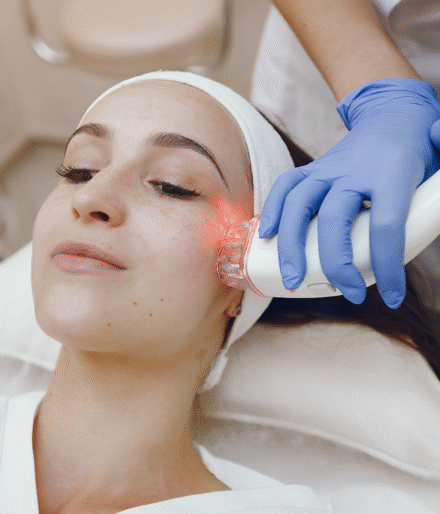
The dermatologist might suggest you try red light therapy. They use low-level LED light to repair your skin and reduce inflammation.
Your dermatologist might check your skin condition for crackness and inflammation and suggest the use of corticosteroids or calcineurin inhibitors. This treatment can heal your cracked skin, reduce inflammation, and strengthen the skin barrier.
We will suggest that you consider getting dermatologist-guided treatment so that your skin doesn’t worsen because of the wrong products. Choose Clini Derma as your top station for dermatological treatments! They will not only heal the condition but also suggest to you the right way to take care of the skin in the future.
The repairing time of skin barrier damage depends on the present condition of your skin. If your skin barrier is mildly damaged and you can relate to 1-2 signs, then your skin will repair within 2 weeks from the start of the treatment process. Those who can relate to 2-3 signs of skin barrier damage are dealing with moderate issues, and they can heal within 2 months with proper care and treatment.
When your condition is severe, and you can notice extreme dryness, flakiness, sensitivity, and redness, then you will need several months to repair the skin. You should follow a minimal skincare routine and consult a dermatologist immediately for treatment.
Some factors that might be affecting your recovery are your consistency with treatment, your skincare routine, environmental conditions, and your skin type. You must take gentle care of the skin and be patient. For the best results, go for our top medical dermatology treatments.
You can avoid damaging your skin barrier in the future by following the “less is more” philosophy while using skincare products. For healthy and hydrated skin, you should follow the tips for protecting the skin barrier. Here are some tips you should keep in mind to prevent damaging your skin barrier:
You should avoid following aggressive skincare routines that are shown by influencers on social media. Those influencers are creating videos to go viral and can share harmful products just because they are getting a commission from the companies.
You should not over-exfoliate your skin because it causes serious damage to the skin barrier. Most people become too aggressive to get a fair skin tone and wash their face twice a day, even if their skin is not oily. You should understand your skin type and never use harsh products on dry and sensitive skin. Also, you should not take hot showers and should use gentle, soap-free cleansers.
If you have damaged your skin barrier, then it means you have dry and flaky skin. Hence, it becomes really important to moisturise the skin regularly. Several moisturisers can hydrate your skin and also repair the skin barrier. Additionally, you should drink at least 8 glasses of water to ensure you are hydrated from the inside as well.
We can conclude by saying a damaged skin barrier is a serious issue that should never be ignored if you don’t want to look older than your actual age. If you notice dry and flaky skin, then consider it one of the big warning signs of a damaged skin barrier that can become worse with time. You can restore skin health at early stages by taking gentle care of the skin and keeping it moisturised. Those who are seeing more symptoms of a damaged skin barrier should seek professional help.
You should book a personalised dry skin treatment from an expert at Clini-Derma who has immense experience in treating the skin of people with severe conditions. They use advanced tools to repair the skin of the patients and are highly praised for their knowledge about the right products for people with different skin types.
1. Can I Still Use Skincare Products With Vitamin C and Retinol on Damaged Skin?
No, we highly suggest you avoid using skincare products with vitamin C and retinol because they are active ingredients.
2. I Have Acne Marks. Is It the Result of a Damaged Skin Barrier?
Yes, a damaged skin barrier can allow various bacteria and pollution since it is no longer able to protect the inner layers. You can also see inflammation and redness.
3. My Skin Stings Even After Applying Moisturiser. What Should I Do?
If your skin stings persistently even after applying moisturiser, then you should change your moisturiser. Look for moisturisers that are hypoallergenic or are created for sensitive skin. Additionally, you should contact a dermatologist when you notice this problem for more than two weeks.
4. I Have a Habit of Taking Too Much Stress. Can Stress Damage My Skin Barrier?
Yes, your stress can directly impact your skin as well as hair quality. When you take on too much stress, the production of lipids gets impacted, and your skin barrier gets damaged.
5. Should I Change My Diet and Lifestyle Also To Restore the Skin Barrier?
Yes, absolutely. You should add foods that are rich in omega-3 fatty acids to improve skin quality. For instance, you can include salmon, walnuts, and flaxseeds to improve the production of oil in your body. Additionally, you should sleep at least 7-9 hours daily because our bodies and skin get repaired mostly when we are taking proper rest.