CHOOSE YOUR CLINIC
Keloid scar tissue is an abnormal growth of scar tissue in response to healing an injury. Read on to know more about it and how you can prevent its growth.
Scars might be the natural process of healing, but not all scars are similar. Sometimes our body produces additional scar tissue, which leaves a thick and raised mark on the skin. It can be uncomfortable, itchy, and undermine your look when it appears on a visible area of your body.
In this discussion, we will try to understand what a keloid scar is and how it develops, along with available treatment and preventive measures for the condition.
It is an abnormal condition of the healing process in our body. When our body produces excess collagen even after a wound is healed, this type of keloid scar is visible. Interestingly, this type of scar tissue does not grow in the original injured part of your body; rather, it grows outside that location and may increase in size over time.
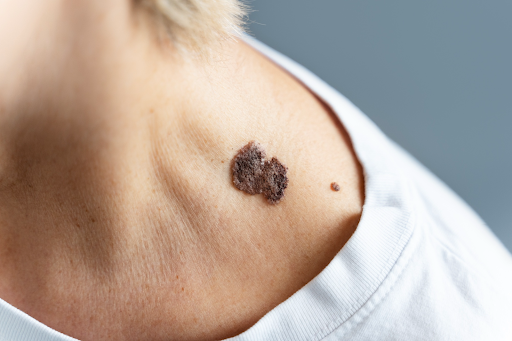
It might often look shiny, firm, and raised from the normal skin surface. The colour of a keloid scar depends on the skin tone - it may be dark brown, pink, or red in colour. Thankfully, this type of scar tissue is not cancerous, but you might feel tenderness, tightness, or itchiness on the spot. People might consider keloid scar removal, as it may cause mental stress, you might feel under confident, and then it may cause serious personal issues. Alternatively, you can also look for keloid scar treatment in your best interest.
Even minor injuries can trigger keloid scar tissue to appear on your skin. Besides, here are some common triggers:
It is natural for anyone to develop keloid scar tissue, but some people might have a genetic factor it to develop on their skin.
The basic underlying reason for its development is the natural wound-healing process of your body. For example, if you are hurt on your leg, your body will naturally produce collagen fibres to close the wound. In the case of the keloid scar tissue formation, the production of collagen fibres does not stop when needed. Even after the wound is healed, the scar tissue continues to grow beyond the wound boundary.
In any site of injury, the keloid scar might grow because it grows as scar tissue to heal any present injury in the skin. Some of the common places where keloid scars can form are:
That being said, keloid scars can grow anywhere with trauma cuts, piercing, tattoos, or even acne. But how do you identify keloid scars?
You might see that different people have different shapes and sizes of keloid scars. Some might have a long keloid scar, or others might have a roundish scar, or according on the shape of the injury. However, all of them have specific similarities that can help you identify keloid scars.
In general, the keloid scars rise above the skin level and the injury location. Generally, the scar tissue becomes rubbery and itchy over time. For some patients, the keloid scar tissue may also cause pain and a burning sensation. No need to say how uncomfortable it might be for some people. The tissue might grow to such an extent that it might limit your range of motion.
If the discomfort persists, you might think of the keloid scar treatment process under the supervision of a professional.
Yes, keloid scars can be painful, but not all of them hurt. However, it makes some of the common identification characteristics that the keloid scars will be painful and feel tender. You may experience the following if keloid scars rapidly grow on your skin:
However, the good thing is that the pain generally subsides after the keloid scar stops growing. On the other hand, the mature keloid might remain painful for a long time.
You will feel the most discomfort if a keloid has developed on a joint, then every time you move your joint, it hurts. Besides, if you press on the scar tissue, you will feel the pain as well.
If you have a growing or developed keloid scar, you might have several complications in the future. It can darken your skin permanently when exposed to direct sunlight. Apart from the skin darkening, you will also feel pain in the area, even when the keloid scars stop growing. Finally, an unwanted keloid scar undermines your confidence. It is because you will become conscious about your looks, if it develops on an open area - face, ear, etc.
So, the best thing will be to start keloid scar treatment as soon as possible.
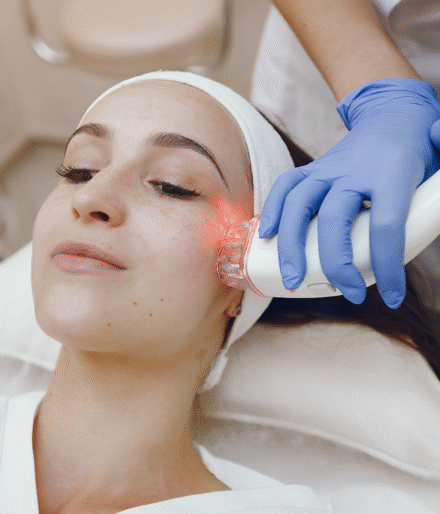
There are several processes for keloid scar treatment, which may include softening the tissue and then taking measures to prevent future growth of the scar tissue. The treatment processes might include applying corticosteroid cream or injections, laser treatment, cryotherapy (where the scar tissue is frozen), and ligature. In ligature, a surgical thread is tied around the scar tissue and makes it naturally fall off from your skin.
However, do not decide on any of the treatment processes. Consult a doctor, and he will tell you which treatment process is the ideal one for you. Your doctor may also suggest you wear a pressure garment to treat keloid scars.
The effectiveness and side effects of keloid treatment will be best explained by your doctor. The healthcare provider will discuss whether a particular treatment process is ideal for you or not. The effectiveness of the treatment depends on how well you follow the guidelines of the healthcare provider.
Corticosteroid cream or injections might help remove the keloid scar, but it may return after the treatment is over. Skin discolouration is also possible after corticosteroid treatment on the spot.
On the other hand, if you are advised to wear a pressure garment on the scar tissue, you will have to wear it for a long time. This can be uncomfortable for you to wear all the time for a long period.
Keloid scars form in the area of injuries, so be cautious that you don’t get injured. Wear safety equipment when riding or going on a journey. If you tend to develop scar tissue, better not to get a tattoo or piercing.
Finally, if you have a developing keloid scar tissue, consult with us as soon as possible.
The main difference between a hypertrophic scar and a keloid scar is very basic. In a hypertrophic scar, the scar tissue stays in the original position of the injury. On the other hand, the keloid scar grows larger than the original site of injury and continues to grow.
No, the keloid scar is not contagious, and it also does not have a risk of cancer.
Keloid scars develop as scar tissue to heal major injuries, piercings, or medical injuries. However, medical science has not been able to explain why some people are prone to getting keloid scars than others. There is no way to predict or prevent keloid scars in your body.