CHOOSE YOUR CLINIC
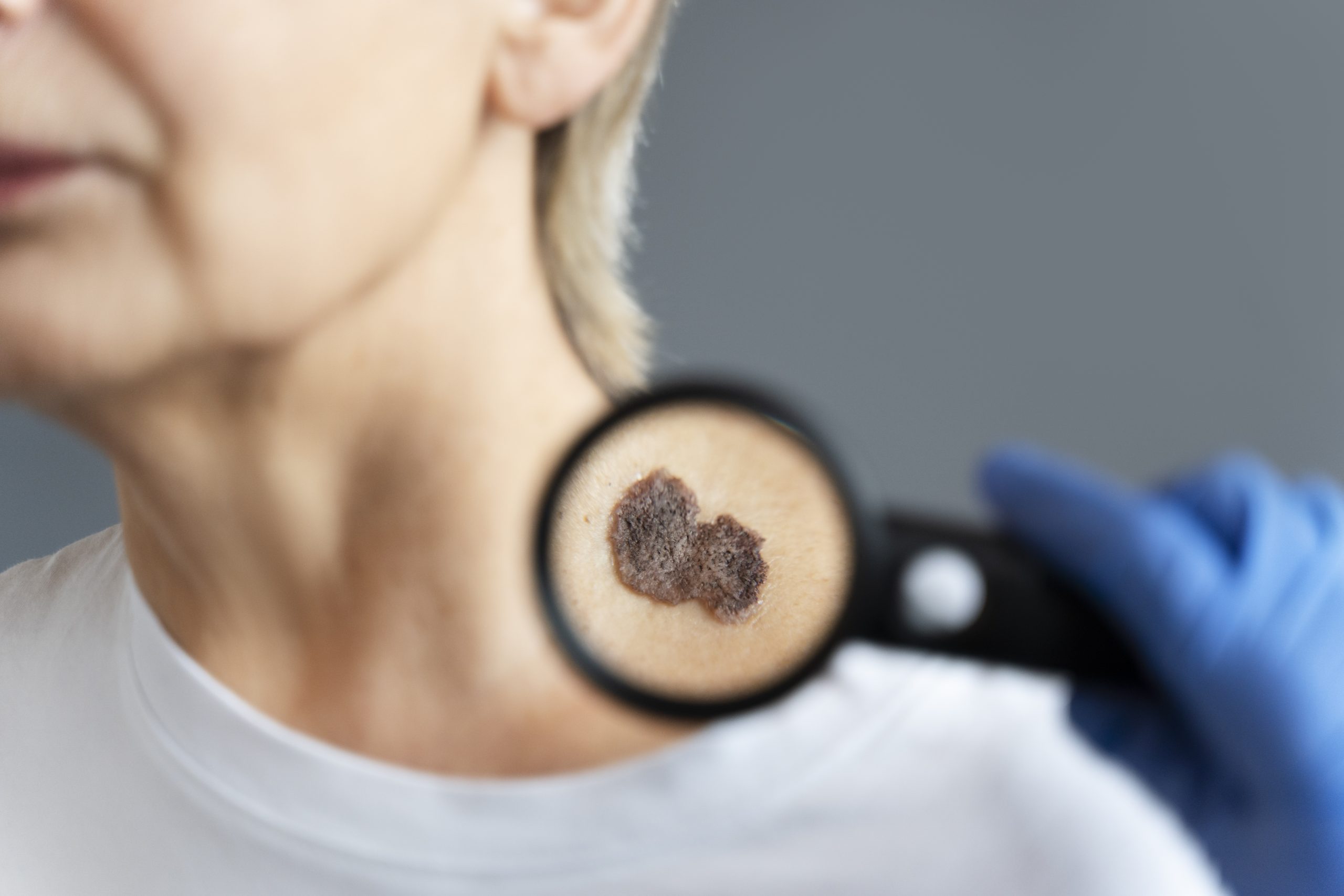
If you are experiencing rough, scaly lesions on your skin, you shouldn’t ignore them. It might be actinic keratosis.
This kind of rough, scaly skin lesion is mainly caused by long-term exposure to UV rays and is considered precancerous, potentially progressing to squamous cell carcinoma if left untreated. While there are different types of actinic keratosis treatment procedures available, those with precancerous actinic keratosis look for solutions that pose minimal irritation, risks, and downtime.
While this problem is caused by long-term sun exposure, the skin problem mainly affects those who use tanning beds or have fair skin. Therefore, in this blog, we will get to learn about the safest treatment options available, ways of reducing the side effects, choosing the right approach, and where to seek the desired help and support.
Key takeaways:
Before we dig deep into precancerous actinic keratosis treatment, here are some of the major causes, risk factors, and symptoms associated with it.
One of the reasons why a person may experience actinic keratosis on their face is because of long-term or chronic exposure to the sun, especially the harmful UV rays. Individuals mainly affected include those with fair skin and the aging population. Patients with a history of sunburns are also vulnerable to the skin problem.
People suffering from actinic keratosis may have rough, dry, scaly patches on their skin. These wart-like patches may turn out to be brown, pink, or even the colour of skin, which is tender and itchy.
Here are the risk factors and the level of impact they pose on the patients.
| Risk Factors | Impact Level |
| UV Exposure | High |
| Fair skin | High |
| People aged 40 and above | Moderate-High |
| Weak immune system | Moderate |
Table 1: Risk Profile Table
So, as you went through what the problem of actinic keratosis actually is, risk factors, and symptoms, let’s take you through some of the best actinic keratosis treatment options available with the lowest side effects.
The topical medications are the first treatment option available. Be it actinic keratosis on the scalp or actinic keratoses on the nose, the use of topical medications is designed in such a manner that it removes the precancerous cells and those damaged by the sun’s rays.
5-fluorouracil, such as Carac and Efudix, is considered an effective standard treatment that not only kills the damaged cells but also prevents further growth. It is typically applied for 2-4 weeks or can range up to 12 weeks.
Imiquimod is an immune response modifier, which is applied for 4 weeks or in the form of 2-week cycles. Diclofenac, which is an anti-inflammatory lotion, can be applied for around 3 months, preventing actinic keratosis on the scalp and nose as well. It is a non-surgical procedure and can treat multiple lesions; however, there are side effects, including peeling of skin, irritation, and redness.
To minimize the side effects, the topical medications can be applied in controlled cycles. You need to use the right moisturizer and follow the guidelines prescribed by a dermatologist to keep yourself safe from actinic keratosis.
Cryotherapy is a quick and targeted treatment option for precancerous actinic keratosis. This involves freezing the lesions with liquid nitrogen, destroying the precancerous lesions. It takes around 7 to 14 days to heal.
The major advantages of this treatment include minimal side effects and minimal time for recovery, and it's quite fast as well. The liquid nitrogen spray is applied for 10 to 20 seconds per cycle, especially in the thicker spots.
The side effects include blistering and temporary discolouration of the skin as well. Some important tips include taking proper aftercare, which reduces irritation.
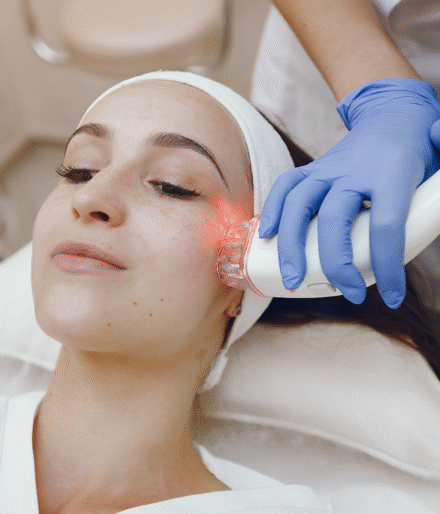
Another non-invasive, minimal side-effects treatment option for actinic keratosis on the face is the Photodynamic therapy. It uses a photosensitizing agent, such as 5-ALA, along with a blue or red light, to destroy the precancerous cells. Not only does it help to treat cancerization, but it also delivers excellent cosmetic results with minimal scarring.
With the destruction of abnormal cells, it becomes easier to treat the problem from the root. However, it has its own side effects, such as temporary redness and sensitivity. Patients seeking minimum downtime could opt for this PDT. It can also be used on patients with actinic keratosis on the scalp.
Here comes the mother of all treatment options! The laser is indeed a boon to all the patients suffering from actinic keratosis. Whether it's about a person with an actinic keratosis on the face, scalp, or nose, the laser therapy is simply effective.
Not just because of the minimum downtime or non-invasive nature, but also because of the fact that the laser therapy removes the damaged skin layers perfectly. The major benefits include practicing this therapy in a controlled environment with minimal side effects.
The laser therapy includes the use of YAG lasers, which are specifically effective for large and thick lesions. What works perfectly is the fact that it not only destroys the damaged, precancerous skin cells but also promotes the regeneration of healthy skin on your face or scalp.
The healing takes place in just 6 to 10 days. However, there are some side effects, including mild redness, swelling, inflammation, and pigmentary changes, too.
Before we move on to some emerging treatment options, let’s compare the treatment options in terms of their side effects, effectiveness, and more.
| Treatment | Effectiveness | Side Effects | Downtime | Best For |
| Topical medications | High | Moderate | Medium | Multiple lesions |
| Cryotherapy | Moderate | Low-moderate | Low | Single lesion |
| PDT | High | Low | Low | Cosmetic sensitive areas |
| Laser therapy | High | Low | Low | Treatment with precision |
Table 2: Comparison Table: Treatments vs Side Effects
One can opt for a combination of topical and light-based therapies that destroy the precancerous cells across large areas and offer better outcomes as compared to cryotherapy. A combination of 5-fluorouracil and imiquimod with PDT, using blue or red light, can be very effective with minimal side effects.
There are some personalized dermatology approaches, too, that can be applied for treating actinic keratoses. However, it all depends on the area of the lesion, the severity, and the treatment option preferred by the patients.
Well, be it actinic keratosis on the scalp or actinic keratosis on the face, there are multiple safe options available that pose minimal side effects. While topical medications, cryotherapy, and PDT offer excellent results, the side effects can be mitigated with proper care and support. Seeking an early treatment prevents progression towards squamous cell carcinoma while promoting healthier skin, too.
If you are looking for something that can help you with healthier skin and, at the same time, treat actinic keratosis permanently, this is the right place to be. You can book a consultation with our skilled dermatologists. The best way to prevent it is to start early treatment for the best results. Choose the right treatment for your skin and lifestyle with us right now!
1. How can we diagnose actinic keratosis?
The actinic keratosis is mainly examined with the use of a skin biopsy, which is used to check for cancer cells present on the skin.
2. Is surgery recommended for actinic keratosis?
Well, you can use the non-invasive procedures with minimal side effects. However, one can also go with a surgery that will scrape off or cut the lesion from the body.
3. How do I prevent actinic keratosis from happening?
You can use sunscreen, for example, broad-spectrum SPF 30 or higher. Try to wear clothes that protect you from the sun’s rays while also seeking shade between 10 am and 4 pm.
4. Do we avoid tanning beds with actinic keratosis?
Well, yes, you need to avoid tanning beds at any cost while suffering from actinic keratosis.