CHOOSE YOUR CLINIC
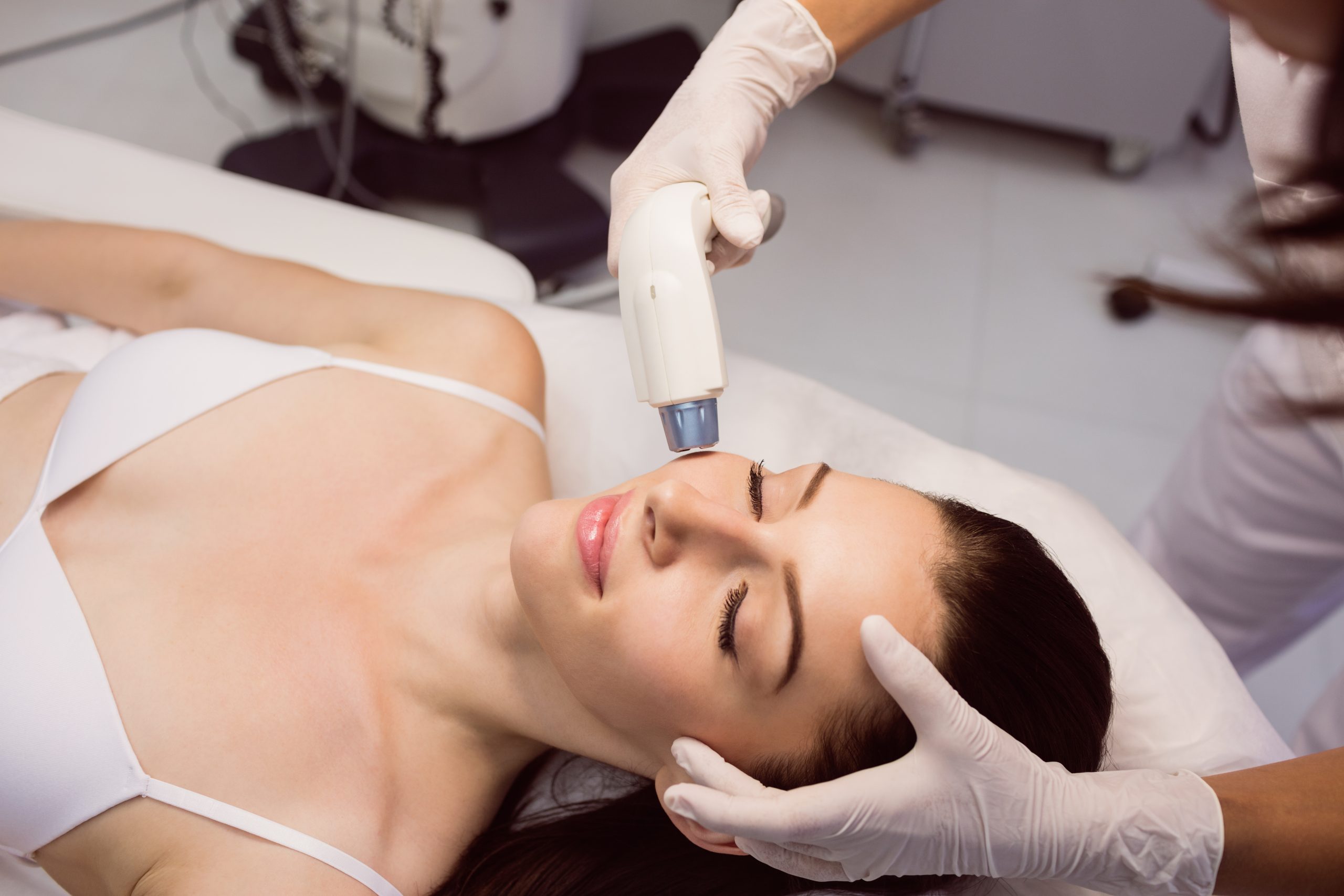
Laser resurfacing is generally more effective for deep acne scars, while PRP therapy is better suited for shallow scars, redness, and skin healing. In many cases, dermatologists recommend combining both treatments to achieve better long-term results with a personalized treatment plan.
Acne scars do not fade on their own. And if you have spent years covering pitted cheeks with concealer, you have probably already googled every option out there, including laser, microneedling, PRP, and peels. Two names keep surfacing: laser resurfacing and PRP therapy.
They are pitched as competitors, but they solve different problems. This guide will break down exactly how each one works, which scars they fix best, and what they cost in Montreal.
Although laser resurfacing and PRP therapy are often compared, they are not direct competitors. Each treatment addresses different types of acne scars, and in many cases, dermatologists recommend combining both to achieve the best possible results.
Before going to the comparison, let’s understand your acne scars first.
Here are the types of scar you are actually dealing with, as this single factor decides more than anything else-
A dermatologist will examine your skin under proper lighting before recommending anything. Scar type, skin tone, as well as how your skin has scarred in the past, all change the calculation. Our own acne scars page covers this assessment in more depth.
Once you and your specialist have identified your specific scar types, the next step is looking at your heavy-hitting treatment options. Let's break down how the first major contender, Laser Resurfacing, actually works.
Laser resurfacing (Laser Cicatrice d'acné) is an energy-based treatment. A laser device delivers controlled thermal or fractional energy into the dermis.
Several laser technologies are used to treat acne scars, depending on the scar type, skin tone, and treatment goals. A few families are used for acne scars in Montreal clinics:
It is best suited for ice pick scars, rolling scars, boxcar scars, and deep atrophic scarring in general. Lasers are usually the strongest single tool for texture.
Downtime is the biggest trade-off in this treatment.
We recommend 2 to 6 sessions, spaced 4 weeks apart, depending on scar depth and the specific device used. Collagen remodeling continues for several months after each session, so improvements in skin texture often develop gradually over time.
Note: The number of sessions and pricing may vary with the acne scar type, laser technology used, and treatment area size. Because the clinic provides a wide array of laser treatments, including hair removal, acne scars, and skin rejuvenation, pricing requires a specialized consultation to evaluate your skin type and goals.
Considerations for darker skin tones
Melanin-rich skin (Fitzpatrick IV–VI) naturally contains more pigment. It is therefore more prone to absorbing excess laser energy and responding to thermal injury with post-inflammatory hyperpigmentation (PIH).
However, having darker skin does not automatically disqualify you from laser treatments. It simply dictates that your procedure requires an expert hand, like a dermatologist, to modify settings, prepare the skin, and manage recovery. A consultation with a dermatologist helps determine whether laser resurfacing is suitable for your skin type or whether alternative or combination treatments may provide a safer option.
While managing laser settings requires a highly experienced hand to protect darker skin tones, our second contender offers an entirely different, biology-based approach that is inherently safe for every skin type. Let us look at how PRP therapy works.
PRP stands for platelet-rich plasma. It is a regenerative treatment made from your own blood. A small sample is drawn, spun in a centrifuge to concentrate the platelets, and then applied to the skin.
It is either injected directly into scars or used alongside microneedling so the growth factors can penetrate deeper.
Platelets do more than help blood clot. They release growth factors that stimulate collagen production, support tissue repair, and promote the skin's natural healing process. In scar treatment, PRP is used in two ways-
The treatment is best suited for shallow rolling scars, early post-acne redness or discoloration, and patients who want a natural, low-downtime option using their own biological material.
Expect redness and slight swelling for 24–48 hours, similar to a mild sunburn. Most patients return to normal activities the next day.
Regardless of the treatment selected, following your dermatologist's aftercare instructions and using daily broad-spectrum sunscreen are important for proper healing and reducing the risk of post-inflammatory pigmentation.
Note: We typically recommend 3 to 4 sessions, spaced 4–6 weeks apart, for visible improvement in texture and tone. Full treatment plans vary, as these are priced based on the number of sessions and whether it's combined with microneedling.
Here is a side-by-side comparison between laser resurfacing and PRP in Montreal-
| Factor | Laser Resurfacing | PRP Therapy |
| Best For | Deep ice pick, boxcar, and rolling scars | Shallow scars, redness, and early scarring |
| Mechanism | Controlled thermal/fractional injury | Growth-factor-driven cellular regeneration |
| Downtime | 2-10 days (depending on the device used) | 24-48 hours |
| Sessions Needed | 2-6 sessions | 3-4 sessions |
| Risk in Darker Skin | Moderate (highly device-dependent) | Low (safe for all skin tones) |
| Pain Level | Moderate (topical numbing cream applied) | Mild |
| Active Acne Compatibility | Usually requires acne to be controlled first | Can often proceed alongside treatment |
| Results Timeline | Weeks to months (collagen remodels up to a year) | Weeks (cumulative improvements over sessions) |
Table 1: Comparison of Laser Resurfacing and PRP Therapy for Acne Scars
Note: Many patients get their best results from a combination of both, not one or the other.
The actual answer for which is the right treatment type for your skin depends on five aspects, such as-
Note: Laser resurfacing (laser cicatrice d'acné) works by controlled injury and collagen remodeling. It is the stronger option for deep, textured scars like ice pick, boxcar, and rolling scars.
PRP in Montreal treatments use your own blood’s growth factors to accelerate healing and boost collagen. It is gentler, with far less downtime, and best for shallow scarring, redness, or as a recovery booster after laser
Because laser resurfacing and PRP support different stages of skin healing, they are often combined into a personalized treatment plan.
| Treatment Stage | Purpose |
| Laser resurfacing | Creates controlled skin resurfacing and stimulates collagen remodeling |
| PRP application | Delivers growth factors that support healing and collagen production |
| Recovery period | Allows the skin to heal while reducing downtime |
| Maintenance sessions | Helps maintain long-term improvements in skin texture |
Table 2: How Laser Resurfacing and PRP Therapy Work Together in a Combined Treatment Plan
Treatment plans in our clinic are built around your specific scar pattern and skin type, under the guidance of Dr. Joseph Doumit and our team of dermatologists and nurses, not a generic package applied to every patient who walks in.
We treat acne scars across our Montreal and Laval clinics, using laser technology and PRP protocols suited to your skin, not a one-size-fits-all menu. If you are weighing laser cicatrice d'acné treatment against PRP Montreal options, a consultation will tell you far more than another article can.
| Questions to Ask During Your Consultation ✓ What type of acne scars do I have? ✓ Which treatment is more suitable for my skin type? ✓ Would a combination of laser resurfacing and PRP provide better results? ✓ How many treatment sessions are recommended? ✓ What recovery time should I expect? ✓ How should I care for my skin after treatment? |
There is no single best treatment for every acne scar. The most appropriate option depends on the type of scarring, skin tone, treatment goals, and recovery preferences. A dermatologist can determine whether laser resurfacing, PRP therapy, or a combination of both is the most effective approach for achieving smoother, healthier-looking skin.
For optimal results, Montreal clinics like Clini-Derma frequently combine both treatments to accelerate healing.
Stop hiding behind concealer and book a personalized consultation at our Montreal or Laval clinics. Let Dr. Joseph Doumit and our expert dermatology team design a custom Laser and PRP protocol tailored to your unique skin tone. Schedule your skin assessment today!
To ensure the safety of aggressive laser resurfacing and PRP, prioritize selecting a board-certified dermatologist or plastic surgeon, and strictly adhere to pre- and post-treatment protocols.
You can eliminate this fear by choosing us, where all advanced acne scar treatments are performed by a highly specialized team of physicians, dermatologists, and aesthetic nurses.
Under the medical leadership of Dr. Joseph Doumit, our team uses over a decade of clinical experience to ensure your procedure is entirely safe, precise, and tailored to your skin type.
If you perform ablative lasers (like CO2) or microneedling (often paired with PRP) directly over active, inflamed acne, you risk dragging bacteria into deeper layers of skin, worsening infections, and triggering significant flare-ups.
Clini-Derma solves this by offering fully integrated medical dermatology alongside our advanced laser and cosmetic scar treatments.
Our specialized physicians can safely treat your active acne, rosacea, or underlying skin conditions simultaneously to ensure your resurfacing treatments do not trigger adverse reactions.
Clini-Derma solves this frustration by offering a massive, comprehensive range of solutions, including targeted laser treatments for acne scars, keloid scar therapy, and specialized cosmetic injections. Our expert team builds a personalized, multi-treatment plan to tackle texture, hyperpigmentation, and raised tissue all at once for optimal results.
We address this pain point through a decade of proven experience and an unwavering commitment to achieving optimal, visible results for every patient. By combining medical-grade technology with advanced dermatological expertise, our clinic delivers high-quality, clinical-strength care that permanently improves deep structural skin damage.
Clini-Derma offers ultimate convenience across the Greater Montreal area with accessible clinics in Downtown Montreal, Montreal North, East Montreal, Town of Mount-Royal, West Island, Laval, and the South Shore.
You can easily book consultations and maintain your multi-step laser or PRP treatment plan close to home without disrupting your daily routine.