CHOOSE YOUR CLINIC
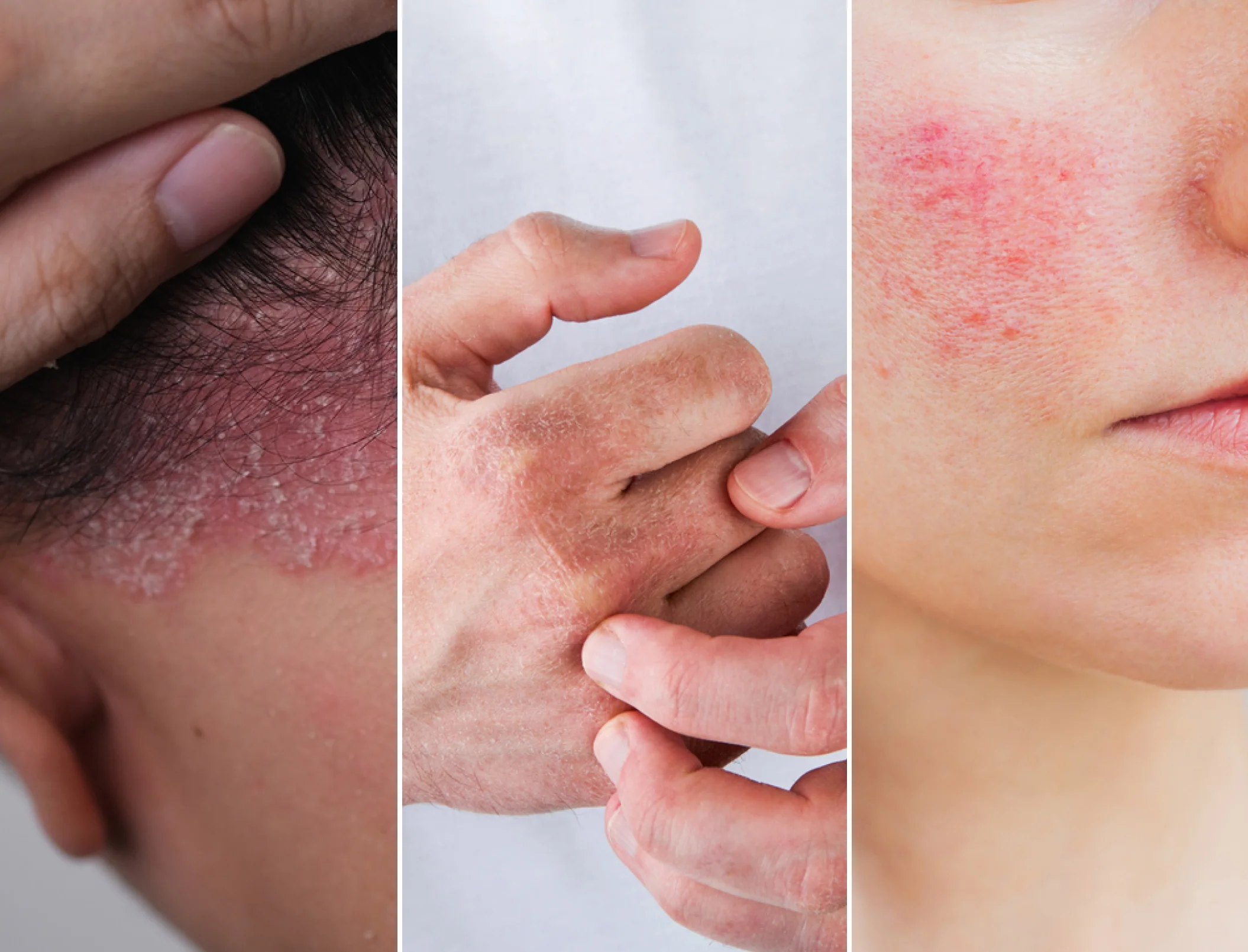
Rosacea is a chronic skin condition characterized by persistent facial redness, most commonly affecting the cheeks, nose, chin, and forehead. It may be influenced by genetic and environmental factors and can worsen over time if left untreated.
People with rosacea often experience increased skin sensitivity to sunlight, heat, hot baths, alcohol, spicy foods, intense physical activity, and stress. Without proper management, rosacea may progress and become more difficult to control.
A dermatology consultation allows for an accurate diagnosis and the development of a personalized treatment plan, which may include topical treatments, medications, or advanced dermatological technologies to reduce redness, prevent flare-ups, and improve the overall appearance of the skin.
Eczema is an inflammatory skin condition characterized by redness, itching, dryness, and sometimes skin cracking. It may be hereditary or triggered by environmental factors such as certain soaps, fabrics, allergens, temperature changes, or stress.
Without appropriate treatment, eczema can become chronic and lead to recurrent flare-ups, significantly affecting quality of life. A dermatological evaluation helps identify triggers and establish a targeted treatment strategy.
Eczema treatments may include topical creams, anti-inflammatory medications, medical-grade moisturizers, and preventive skincare guidance to relieve symptoms, restore the skin barrier, and reduce the frequency of flare-ups.
Psoriasis is a chronic inflammatory skin disease that can occur at any age and is marked by periods of flare-ups and remission. It presents as thick red or pink patches of skin, covered with white or silvery scales, often accompanied by itching.
The most commonly affected areas include the scalp, elbows, and knees, although any part of the skin may be involved. Psoriasis is not contagious. Flare-ups may be triggered by stress, certain infections (such as streptococcal infections), smoking, alcohol consumption, or specific medications.
Several effective treatment options are available today, including topical therapies, phototherapy, and systemic medications, depending on the severity and extent of the condition. A dermatology consultation allows for the creation of a personalized treatment plan aimed at controlling symptoms, reducing inflammation, and improving long-term quality of life.
An accurate diagnosis, appropriate treatment, and ongoing medical follow-up are essential to effectively manage rosacea, eczema, and psoriasis. Early intervention helps prevent symptom progression and leads to better long-term outcomes.