CHOOSE YOUR CLINIC
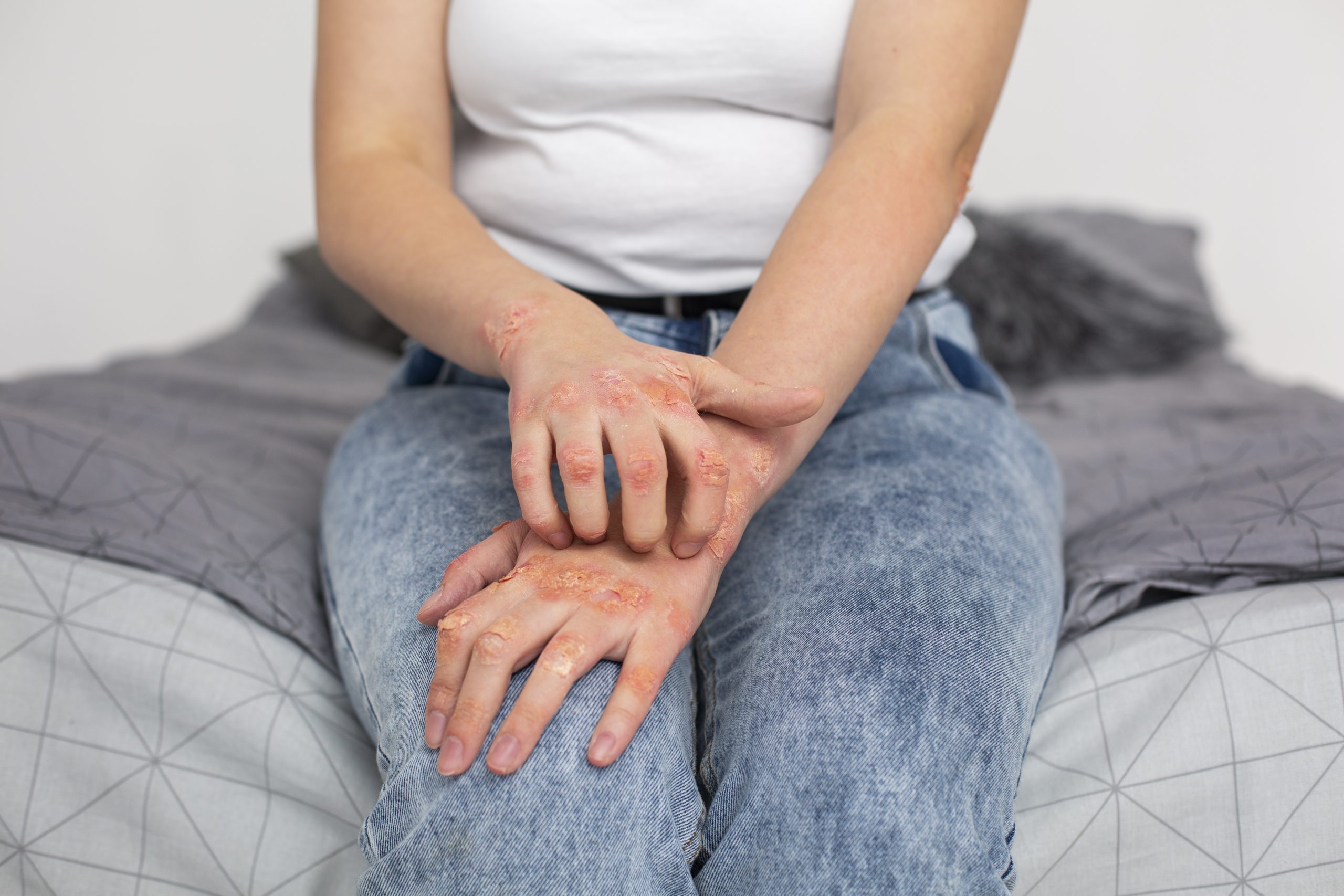
The different types of psoriasis are plaque psoriasis, guttate psoriasis, inverse psoriasis, pustular psoriasis, etc. From topical treatments to systemic medications, doctors recommend treatment approaches based on severity.
Key Takeaways
About one million people in Canada are affected by psoriasis. Not just a mere skin condition, this disease causes itching and painful patches while impacting your physical comfort.
Being a chronic autoimmune disease, psoriasis management requires a surface-to-below evaluation to identify the underlying cause and understand the treatment approach. This blog discusses the different types of psoriasis and the treatment approaches.
Psoriasis refers to an autoimmune skin disease that contributes to quicker multiplication of skin cells. Rather than shedding over a month, cells take just a few days to build up on the surface. This rapid accumulation leads to the formation of red, inflamed areas (plaques).
It’s hard to live with a visible skin condition. Unpredictable flare-ups and social stigma lead to high stress levels while lowering a person’s self-esteem. This makes contacting a dermatologist for psoriasis immediately when you start experiencing symptoms crucial.
The major causes of psoriasis include:
The different types of psoriasis are:
This is the most common type of psoriasis. Appearing as itchy and inflamed raised patches, plaques are mainly seen on the knees, elbows, scalp, etc.
The skin usually looks red, but it can be purple for some people. The color depends on the skin type of the concerned patient.
Guttate psoriasis appears as small, round spots that mainly affect children and young adults. This is usually seen on arms, legs, and trunk. The spots can be red or discolored.
This type of psoriasis usually develops in the groin, armpits, under the breasts, and surrounding the buttocks. These red and inflamed patches increase with sweating and friction. This deep-red or darkened psoriasis is triggered by a fungal infection.
This type of psoriasis looks like painful bumps that are surrounded by inflamed or discolored skin. The key areas of occurrence are the hands and feet. In some cases, this occurs in widespread patches.
This is a rare psoriasis type that results in excessive redness or discoloration and shedding of skin layers in large volumes. This can appear anywhere on your body, and you can feel pain and itching. If left untreated, this can be a life-threatening condition.
Genetics and immune system issues lay the foundation for psoriasis. Meanwhile, external triggers result in worsening flare-ups. Like:
The main factors include:
Are you dealing with high stress? If so, there is a high chance of triggering psoriasis. High-pressure situations result in releasing stress hormones, thereby activating the immune system and triggering flare-ups.
A minor cut, bug bite, or sunburn can lead to causing lesions at the trauma site. This triggers psoriasis.
Skin moisture drains out during the winter, triggering flare-ups. Well, patients find relief in the hot and humid summer days.
The key considerations are:
Often, people deal with infections like strep throat or tonsillitis. These trigger psoriasis flare-ups.
Patients suffering from high blood pressure are given beta-blockers that trigger psoriasis. Well, lithium and antimalarial medications also worsen the symptoms.
Unlike a non-smoker, a smoker finds psoriasis management challenging. This habit makes you more resistant to treatment. Heavy alcohol consumption also triggers flare-ups.
While diagnosing psoriasis, we ask a few questions to patients about their health. This is followed by examining the person’s skin, scalp, and nails. In some cases, a small skin sample (biopsy) is taken for examination under a microscope.
Let’s learn how to treat psoriasis.
We consider topical therapies to treat this disease. Like:
If you are suffering from mild to moderate psoriasis, dermatologists will mainly prescribe corticosteroids. These are available as creams, ointments, oils, lotions, etc.
Doctors offer mild ointments like hydrocortisone for the face or skin folds, whereas clobetasol is prescribed if you experience thick plaques on the body. These are applied regularly during flare-ups but are reduced to alternate days or at the weekends when spots start fading.
Often, doctors recommend Tazarotene (Tazorac, Avage, etc.) for psoriasis. Usually available as a gel or cream, this is used once or twice daily. Well, this is not prescribed to pregnant or breastfeeding women.
Do you know how to treat psoriasis in the scalp? Well, most dermatologists prescribe salicylic acid shampoos to reduce scaling. Using it with other topical therapy helps absorb the medication better.
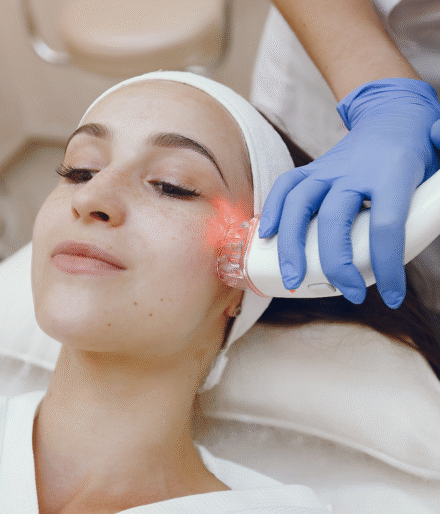
Phototherapy is an effective treatment option for moderate to severe psoriasis. This can be offered alone or combined with medications. The common options are:
Psoriasis often improves with sunlight exposure (heliotherapy). Ask our specialists before you use this therapy.
What if medicated creams fail to treat psoriasis? In such cases, offering targeted artificial UVB broadband light is a good option. This treats single patches or widespread psoriasis.
Compared to UVB broadband, UVB narrowband is more effective. This is offered twice or thrice a week until the skin improves.
If other treatments do not work, we recommend oral or injected drugs. Like:
Do you have small but persistent psoriasis patches? If so, a triamcinolone injection can be a good option for you.
Dermatologists recommend Acitretin and other retinoids to lower skin cell production. These are taken orally as pills and are not recommended for pregnant or breastfeeding women.
Offered as shots, these drugs result in altering the immune system while disrupting the disease cycle. This brings a good improvement in your symptoms within a few weeks. Some of the common options are etanercept (Enbrel), infliximab (Remicade), ustekinumab (Stelara), etc.
A healthy lifestyle is important in controlling a disease in the long term. Well, psoriasis is not an exception. The key considerations include:
Consult a dermatologist for psoriasis if you experience the following signs.
Topical treatments like corticosteroids and salicylic acid are considered to treat mild to moderate psoriasis, whereas phototherapy works well for severe psoriasis. Early attention prevents the condition from reaching the advanced stage.
We are a leading dermatology clinic in Canada. We offer a personalized treatment plan while focusing on managing symptoms, lowering inflammation, and improving long-term quality of life.
In short, no. Psoriasis is a chronic immune condition that cannot be transmitted by touching someone, sharing clothes, or using the same towels. Recognizing this fact is crucial to breaking down the stigma and misunderstandings those living with the condition frequently face.
No, psoriasis can affect the nails and joints as well as the skin. Some people develop nail pitting, discoloration, or separation of the nail from its bed. Psoriatic arthritis can cause joint pain, stiffness, and swelling. Early medical assessment is important if these symptoms develop.
Psoriasis often causes well-defined, thickened patches with scaling, commonly on the elbows, knees, and scalp. Eczema frequently causes intense itching, dryness, and inflamed skin, often in skin folds. However, their symptoms can overlap, so we examine the affected skin to distinguish between them.
If your symptoms persist or return despite treatment, consult our dermatologist rather than increasing doses or stopping medication yourself. We may review your diagnosis, treatment adherence, possible triggers, and disease severity before adjusting topical medication, phototherapy, or systemic treatment.
There is currently no permanent cure for psoriasis. However, appropriate treatment can help control inflammation, reduce scaling and itching, and achieve periods of remission. Symptoms may return during flare-ups, so ongoing monitoring and adjustments to the treatment plan may be necessary.